
Backbone pain, ranging from a dull, persistent ache in the lumbar region to sharp, shooting pains that radiate down the legs, is one of the most common reasons women seek orthopaedic consultations. In a bustling city like Chennai, the prevalence of spinal discomfort among females has risen sharply, affecting young IT professionals working long shifts, busy homemakers, and elderly women alike.
While back pain can affect anyone, the medical reality is that the female spine is subject to a unique set of biological, hormonal, and biomechanical stressors throughout life. At Dr. Humayun Speciality Hospital, Chennai, our orthopaedic and gynaecology departments work hand-in-hand to uncover the exact root causes of spinal distress. This guide dives deep into the specific medical reasons behind backbone pain in females, exploring how lifestyle, anatomy, and genetics intersect to cause discomfort.
The Hormonal Blueprint and Spinal Stability
One of the most significant differences between male and female spinal health lies in the endocrine system. Hormones act as chemical messengers that don't just regulate reproductive health, but also maintain the structural integrity of joints, muscles, and bones.
The Menstrual Cycle and Ligament Laxity
During the luteal phase of the menstrual cycle, levels of the hormone progesterone rise significantly. Progesterone, along with a hormone called relaxin, naturally relaxes the muscles and ligaments in the pelvic region to prepare the body for potential pregnancy. However, this laxity can temporarily reduce the structural stability of the sacroiliac (SI) joints and lower spine, leading to localized lower back aches just before or during menstruation.
The Estrogen Crash in Menopause
Estrogen plays a protective role in bone and joint health by regulating bone turnover and maintaining the hydration of spinal discs. When women undergo menopause, estrogen production drops dramatically. According to data from the National Institutes of Health (NIH), this drop accelerates bone loss, making post-menopausal women highly susceptible to osteoporosis, a condition where bones become brittle and prone to micro-fractures in the vertebrae.
Mechanical and Pregnancy-Related Strains
The female body undergoes rapid structural shifts during different life stages, each presenting distinct mechanical challenges to the backbone.
Pregnancy and Postural Shift (Lordosis)
During pregnancy, the physical center of gravity shifts forward as the abdomen expands. To maintain balance, a woman must naturally lean backward, increasing the inward curvature of the lower spine—a condition known as lumbar lordosis. This altered posture puts continuous structural strain on the lumbar muscles and facet joints. Coupled with the body releasing relaxin to widen the birth canal, the entire lower spinal system becomes highly vulnerable to mechanical strain.
The Hidden Stress of Postpartum Mechanics
Back pain doesn't always vanish after delivery. The postpartum period introduces new ergonomic challenges:
-
Repetitive Lifting: Constantly lifting a newborn puts a heavy mechanical load on an unconditioned spine.
-
Nursing Posture: Slouching forward while breastfeeding overloads the upper back (thoracic spine) and neck, leading to muscular imbalances.
Gynecological Conditions Mimicking Spinal Pain
In many cases, the "reason case" for backbone pain in females does not originate in the spine itself. Instead, nerves sharing a pathway between pelvic organs and the lower back cause referred pain.
-
Endometriosis: A condition where tissue similar to the uterine lining grows outside the uterus. These tissues can attach to the pelvic walls or lower back ligaments, swelling and bleeding during menstruation, which triggers severe, deep chronic lower back pain.
-
Uterine Fibroids: Non-cancerous growths within the uterus can grow large enough to press directly against the nerves and muscles of the lower back and pelvis.
-
Pelvic Inflammatory Disease (PID): Chronic infection of the female reproductive organs can cause a persistent, dull ache radiating throughout the lower abdominal and lumbar regions.


Structural and Degenerative Disorders
Beyond hormones and referred pain, women are statistically more prone to specific structural spinal disorders due to skeletal geometry.
Spondylolisthesis
This occurs when one vertebra slips forward over the bone directly beneath it. Due to natural differences in pelvic width and ligament structure, women are significantly more likely to develop degenerative spondylolisthesis, especially after the age of 50. This slippage can pinch spinal nerves, causing lower back pain accompanied by numbness or weakness in the legs (sciatica).
Degenerative Disc Disease (DDD)
Spinal discs act as shock absorbers between the vertebrae. As estrogen levels drop with age, these discs lose water content and thin out. When a disc flattens, the space between the vertebrae narrows, forcing the surrounding joints to rub together and causing localized stiffness and chronic ache.
Modern Lifestyle Drivers and Stress
Our clinical teams in T. Nagar frequently observe that modern lifestyle habits act as major catalysts for backbone pain.
-
Sedentary Ergonomics: Sitting for 8–10 hours at a desk without proper lumbar support causes the core muscles to switch off. When core muscles weaken, the physical weight of the upper body rests entirely on the bony structures of the spine.
-
Suboptimal Footwear Choices: Consistently wearing high heels alters the natural alignment of the ankles, knees, and pelvis. It forces the pelvis forward, exaggerating the lower back curve and overloading the spinal facet joints.
-
Emotional and Psychological Stress: Women balancing professional workloads and domestic care often experience elevated cortisol (stress hormone) levels. Chronic stress causes subconscious tension in the trapezius and lower back muscles, locking them into painful spasms.
The Dr. Humayun Hospital Approach: Tailored Care for Women
Managing spinal pain at our specialized, 100-bed facility in T. Nagar provides females with a distinct advantage over high-volume corporate chains:
-
Cross-Specialty Collaboration: Because female back pain can cross the line between orthopaedics and gynaecology, our senior consultants (including Dr. Omer Sheriff and Dr. Asma Humayun) work together. This ensures that conditions like osteoporosis or endometriosis are diagnosed accurately under one roof.
-
Advanced Diagnostic Screening: We utilize high-resolution bone density scans (DEXA) and advanced digital imaging to identify early bone loss or disc degeneration rapidly.
-
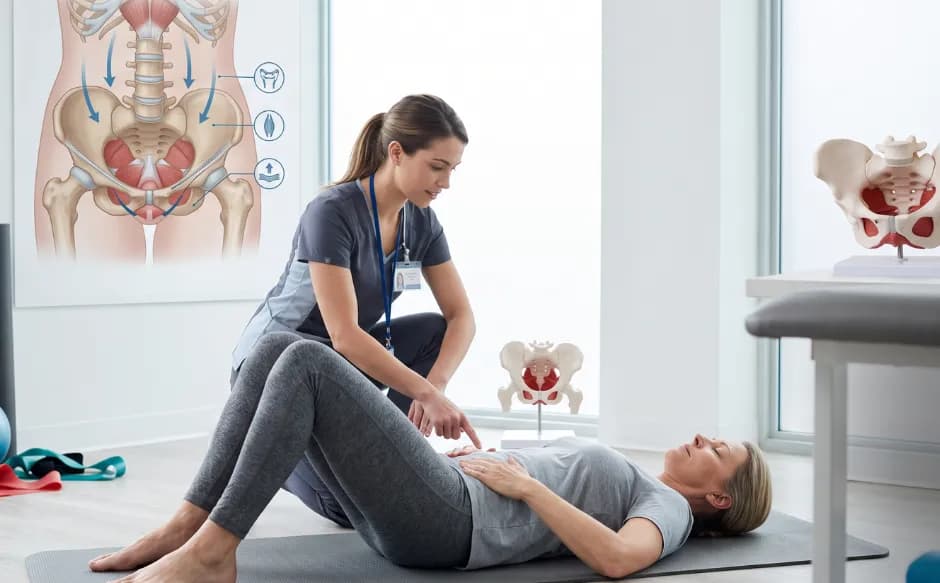
Targeted Boutique Rehabilitation: Our in-house physical therapy team creates personalized core-strengthening and pelvic-floor muscle rehabilitation programs tailored to your specific life stage, whether postpartum, post-surgical, or post-menopausal.
Conclusion: Empowering Women Through Precise Diagnosis
Back pain in females is rarely a simple symptom with a single cause; it is a complex intersection of anatomy, hormonal phases, and everyday mechanics. By looking past temporary pain relief and understanding the underlying cause, women can take control of their long-term structural mobility.
At Dr. Humayun Speciality Hospital, we combine clinical depth with customized care to build Trust. We solve the underlying mechanical or biological issues so you can live a life free from the constraints of chronic spinal pain.
Don't let chronic back pain dictate your lifestyle or limit your mobility. Our senior spine and orthopaedic specialists are ready to provide you with an accurate diagnosis and a personalized recovery roadmap.
Chat with our Medical care assistant to find the right health support.