
When we think about arthritis, our minds naturally picture older individuals who are dealing with the slow, expected wear-and-tear of aging joints. Because of this common stereotype, receiving a diagnosis of hip arthritis in your 20s, 30s, or 40s can feel like a shocking and deeply frustrating setback. You might feel a sudden wave of anxiety about your career stability, your ability to stay active at the gym, or your long-term mobility.
Experiencing deep groin pain or stiffness when tying your shoes is an incredibly challenging reality when you are supposed to be in your physical prime. It is easy to worry that your active lifestyle is permanently over.
However, hip arthritis in younger people behaves differently and is often caused by specific structural shapes rather than simple old age. Because your tissues have an excellent capacity for recovery and muscle building, your treatment path is highly dynamic. The goal here is not to force you into a sedentary life, but to preserve your natural joint and keep you moving completely pain-free.
Why Younger Hip Anatomy Requires Specialized Focus
To understand why treatment strategies differ for younger people, it helps to look at the unique mechanics behind early-onset hip arthritis. In younger adults, arthritis rarely appears out of nowhere. It is typically triggered by subtle, pre-existing structural variations in how the hip joint is shaped:
-
Femoroacetabular Impingement (FAI): This occurs when the ball and socket bones of your hip do not fit together perfectly. Instead, an extra ridge of bone causes them to rub against each other during deep squats or twists, slowly fraying the protective cartilage over time.
-
Hip Dysplasia: In some individuals, the hip socket is naturally slightly too shallow to completely cover the ball of the thigh bone. This structural mismatch places an immense, concentrated load on a small area of cartilage, causing early wear.
-
High-Demand Expectations: Unlike an older individual whose daily routine might involve casual walking, a young adult expects their hips to tolerate heavy weight lifting, long commutes, running, and hours of sitting or standing at work. This high-demand lifestyle means treatments must prioritize structural durability.
Conservative and Lifestyle-Driven Treatments
Before considering any surgical options, the first line of defense focuses on optimizing your body's natural mechanics to take the physical load off the sensitive joint space.
Smart Modifications for Your Gym Routine
Living with early hip arthritis does not mean you should stop exercising. In fact, resting completely weakens the surrounding muscles, making the joint even more unstable. Instead, shift away from high-impact activities that slam the joint—like distance running on concrete or heavy, deep barbell squats. Upgrade your routine to high-resistance, low-impact conditioning like swimming, indoor cycling, or using an elliptical machine. These movements keep your joint fluid moving smoothly without aggravating the raw cartilage.
Targeted Physical Therapy for Deep Stability
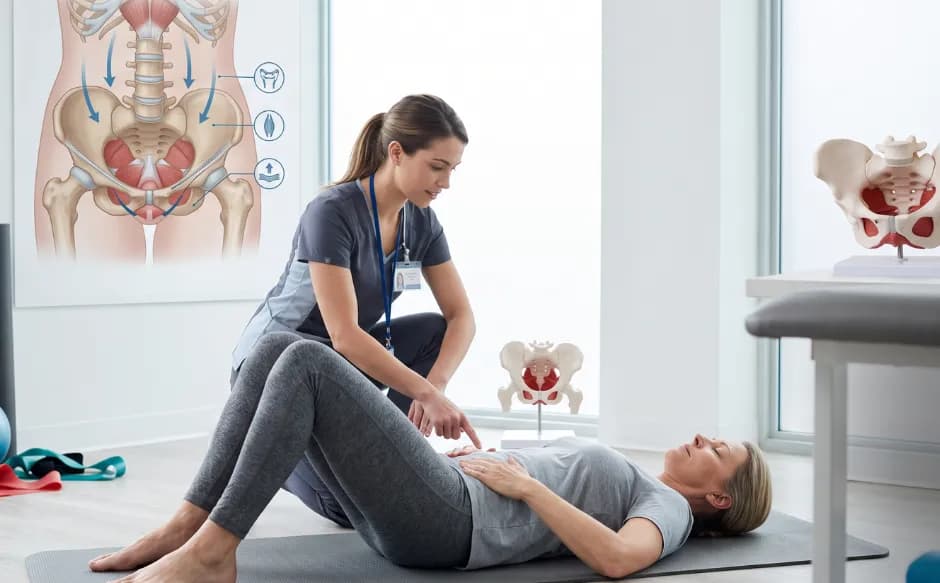
A specialized physical therapy protocol can completely transform your pain levels. Focus on strengthening your gluteus medius (the muscle on the side of your hip), your hamstrings, and your deep core. Building a strong, resilient muscular "sleeve" around your pelvis acts like a natural shock absorber, pulling the bones slightly apart and reducing the direct friction inside the socket.
Advanced Medical and Injective Support
If lifestyle adjustments alone do not provide complete relief, specialists can utilize targeted injections to calm tissue inflammation and restore comfortable movement:
- Hyaluronic Acid Injections: Think of this treatment as a direct lubricant change for a stiff hinge. Hyaluronic acid mimics your body's natural joint fluid. Injecting this fluid directly into the hip socket cushions the bones, reduces friction, and can provide months of smooth, comfortable movement.
- Corticosteroid Injections: If severe inflammation prevents you from performing your physical therapy exercises, a highly targeted steroid injection can be applied under precise ultrasound guidance. This instantly dials down the chemical pain signals, creating a comfortable window to build up your protective muscle framework.


Modern Surgical Interventions for Active Adults
When structural changes inside the joint require physical correction, modern orthopedic medicine offers highly precise surgical pathways tailored for young, active bodies:
Hip Arthroscopy (Keyhole Joint Preservation)
If your arthritis is caught early and is driven by an underlying bone mismatch like FAI, a specialist can perform a minimally invasive arthroscopy. Through tiny, stitch-free incisions, advanced cameras and miniature tools are used to trim away the bumping bone ridges and repair any tears in the protective cartilage ring (labrum). This restores smooth mechanics and can stop the progression of arthritis completely.
Modern Total Hip Replacement (Built for Longevity)
If the cartilage has worn down completely and the bones are rubbing directly against each other, a hip replacement becomes the most definitive path to a pain-free life. Many young people panic at the thought of a joint replacement because they worry the implant will wear out in a few years.
According to long-term performance data tracked by the American Academy of Orthopaedic Surgeons (AAOS), modern manufacturing has completely changed this landscape. Today, surgeons utilize highly durable materials, such as delta ceramic balls and specialized, cross-linked plastics, that resist wear beautifully. For a young adult, this means a modern joint replacement can comfortably endure decades of active daily life, sports, and professional work without breaking down.
How the Specialists at Humayun Hospital Rebuild Your Mobility
Navigating joint pain in your youth requires a careful balance of expert diagnosis and personalized lifestyle planning. Choosing our comfortable, specialized 100-bed boutique facility in T. Nagar provides you with a clear, reassuring path to recovery:
-
High-Precision Mechanical Assessments: Our senior orthopedic consultants don't just look at a basic X-ray. We analyze your walking alignment, joint angles, and daily physical demands to identify the exact structural causes behind your early arthritis.
-
Customized Active Recovery Plans: We understand that your goal is to stay dynamic and fit. Our clinical teams and physical rehabilitation experts build specialized movement blueprints designed to protect your joint while maximizing your athletic and career energy.
-
Advanced Surgical and Recovery Excellence: If your hip requires surgical alignment or modern replacement, our state-of-the-art theater infrastructure and senior joint-preservation specialists deliver highly precise, minimally invasive procedures. We focus on tissue-sparing techniques that minimize downtime, ensuring you return to your active lifestyle safely and rapidly.
Conclusion: Reclaiming Your Path Forward
Being diagnosed with hip arthritis at a young age is a significant health milestone, but it is absolutely not a sentence to a sedentary life. Thanks to advanced understandings of hip biomechanics, targeted physical therapies, and highly durable modern materials, you have an outstanding array of treatment options available. By identifying the root shape of your joint early, shifting to smart gym habits, and partnering with specialists who understand active lifestyles, you can eliminate pain completely, protect your mobility, and move forward with absolute confidence.
Need Clear Answers About Your Mobility?
Don't let persistent groin stiffness or hip pain slow down your career and fitness goals. If you want an accurate, expert evaluation of your joint health, need help designing a safe, high-performance exercise routine, or want to discuss advanced joint-preservation options with senior consultants, we are right here to guide you.
Chat with our medical care assistant to easily find the right treatment options and support for your health journey.