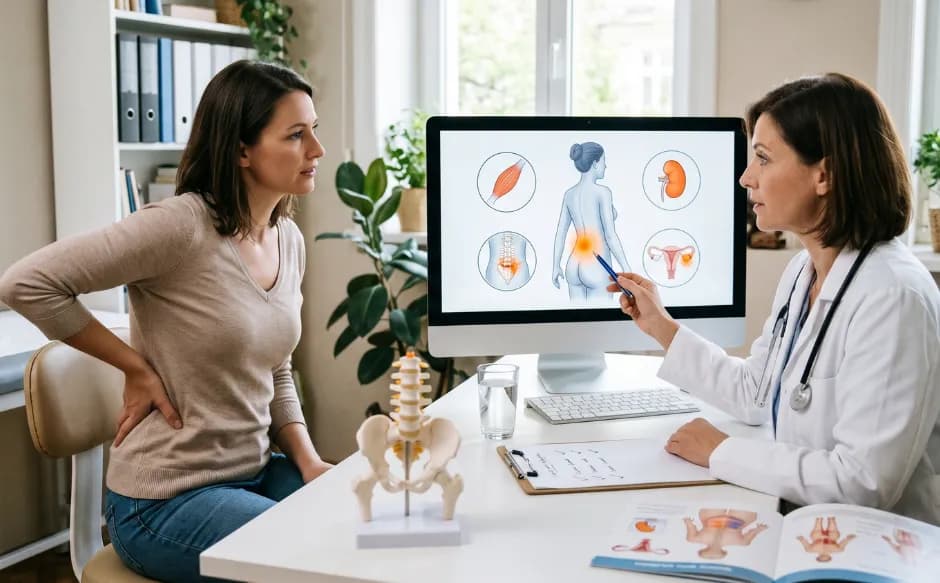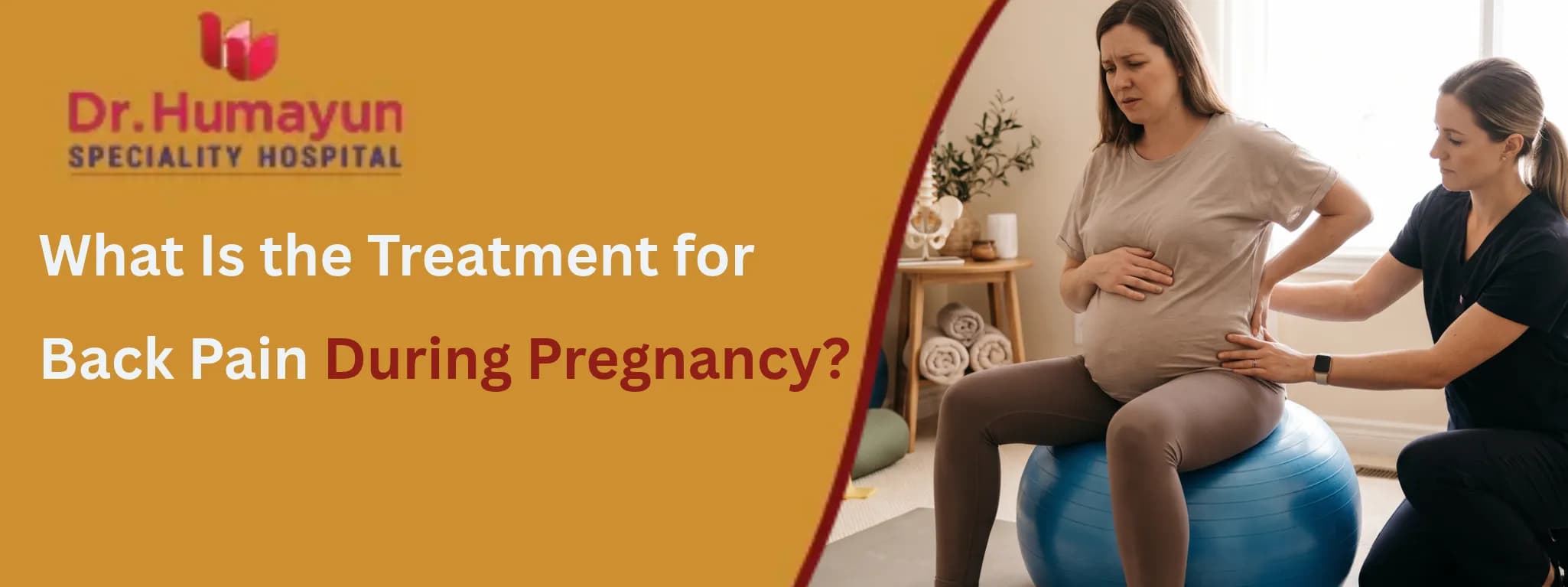

Back pain is one of the most prevalent complaints of pregnancy, affecting between 50 and 80% of pregnant women at some point across the nine months. For many women it is a background ache that fluctuates with activity and rest. For others it is severe enough to disrupt sleep, limit daily activity, and significantly affect quality of life.
Understanding what type of back pain you are experiencing, what is causing it, and which treatments are safe and effective during pregnancy allows for prompt, appropriate management and helps women distinguish normal musculoskeletal pain from the red-flag symptoms that require urgent medical attention.
Why Does Back Pain Occur During Pregnancy?
Pregnancy creates a cascade of physical changes that place new demands on the spine, pelvis, and surrounding muscles. These changes begin in the first trimester and intensify through the second and third.
Relaxin and Ligament Laxity
Relaxin is a hormone produced by the placenta whose primary function is to loosen the ligaments of the pelvis particularly the pubic symphysis and sacroiliac joints to allow the pelvis to widen enough for delivery. The same relaxin circulates throughout the body, however, and also loosens the ligaments supporting the lumbar spine. With these supporting structures less taut than usual, the spine is less stable, joints move more than they should, and muscles work harder to compensate producing pain, fatigue, and spasm, particularly with movement, sustained postures, or lifting.
Postural Shift and Centre of Gravity
As the uterus grows, the body's centre of gravity shifts progressively forward. To compensate and maintain balance, most women unconsciously increase the inward curve of the lower back (lumbar lordosis), tilting the pelvis forward. This sustained postural change places excess load on the lumbar vertebrae, the facet joints, and the paraspinal muscles, particularly during prolonged standing, sitting, or walking.
Weight Gain and Fetal Load
Pregnancy weight gain typically 10 to 15 kg across a full-term pregnancy adds to the cumulative load on the spine, hips, sacroiliac joints, and knees. The added weight is distributed unevenly (anterior and inferior), which amplifies the postural compensation described above.
Diastasis Recti
As the uterus expands, the two parallel bands of the rectus abdominis muscle can partially separate (a condition called diastasis recti). This reduces the core musculature's ability to support the pelvis and lumbar spine, leaving the lower back without its usual dynamic stabilisation. Diastasis recti is most common in the third trimester and in women who have had previous pregnancies.
Sciatic Nerve Compression
The growing uterus can directly compress the sciatic nerve, which exits the lumbar spine and travels through the buttock and down each leg. When compressed, this produces sciatica: a sharp, shooting, or burning pain that radiates from the lower back or buttock down one or both legs, sometimes reaching the foot. Sciatica in pregnancy is characteristically worse on one side, is aggravated by prolonged sitting, and may include numbness or tingling.
Types of Pregnancy Back Pain
Distinguishing between the two principal types of pregnancy back pain guides both self-management and clinical treatment.
| Feature | Lumbar Back Pain | Pelvic Girdle Pain (PGP) |
|---|---|---|
| Location | Central lower back, may radiate symmetrically | Buttocks, hips, groin, pubic area, inner thighs |
| Aggravating activities | Prolonged sitting, standing, forward bending | Walking, climbing stairs, turning in bed, one-leg standing |
| Relieving factors | Lying down, back support | Keeping the knees together, reducing one-leg weight-bearing |
| Onset | Often first or early second trimester | Often second or third trimester |
| Nature of pain | Dull, aching, stiffness | Deep, sharp, clicking or grinding sensation in the pelvis |
A posterior pelvic pain provocation test (PPPP test) pressing down on the bent knee with the hip at 90 degrees of flexion helps clinically distinguish pelvic girdle pain from lumbar back pain. This distinction is important because some exercises that help lumbar pain can aggravate pelvic girdle pain. Assessment by an obstetric physiotherapist or obstetrician is recommended when pain is significant.
Treatments for Back Pain During Pregnancy
Management follows a staged approach based on severity, type of pain, and trimester. The majority of pregnancy back pain responds to a combination of physiotherapy, exercise, postural modification, and appropriate analgesia.
Physiotherapy
Physiotherapy is the cornerstone of treatment for pregnancy back pain and has the strongest evidence base. A physiotherapist with experience in obstetric musculoskeletal conditions will:
-
Assess whether pain is lumbar, pelvic girdle, or sciatic in origin
-
Prescribe a targeted exercise programme to strengthen the muscles supporting the pelvis and spine
-
Advise on posture, sleep position, lifting technique, and daily activity modification
-
Fit a maternity support belt or pelvic girdle belt if appropriate
-
Provide manual therapy techniques safe for use in pregnancy, including joint mobilisation and soft tissue work
A 2023 systematic review published in Cureus confirmed that regular exercise during pregnancy improves lumbar back pain and daily function. Early referral to physiotherapy before pain becomes severe produces better outcomes.


Safe Exercises in Pregnancy
Specific exercises, performed regularly, significantly reduce pregnancy back pain by improving the strength and coordination of the muscles that stabilise the spine and pelvis. The following exercises are widely recommended as safe throughout pregnancy, subject to individual obstetric clearance:
Pelvic tilts: Lying on the back with knees bent (safe in the first and second trimesters; modified to a standing or all-fours position in the third trimester), gently flatten the lower back against the floor by tightening the lower abdominals. Hold for 5 seconds and release. Strengthens the deep abdominal muscles and reduces lumbar lordosis.
Cat-cow stretch: On all fours with hands below shoulders and knees below hips, alternate between arching the back upward (cat) and letting it gently sag downward (cow). This rhythmic movement mobilises the entire spine, eases muscle tension, and is particularly effective for lower back ache. Can be performed throughout all three trimesters.
Clamshells: Lying on the side with knees bent, keeping the feet together, raise the top knee toward the ceiling without rotating the pelvis. Strengthens the hip abductors and gluteus medius muscles that support the sacroiliac joint and reduce pelvic girdle pain.
Child's pose (modified): Kneeling with knees wide apart to accommodate the abdomen, sit back toward the heels and reach the arms forward, resting the forehead on the floor or a pillow. Gently stretches the lumbar muscles and hip flexors. Use a bolster if needed for comfort.
Swimming and water aerobics: Water buoyancy reduces the compressive load on the spine and pelvis while providing gentle resistance training. Swimming is one of the most recommended low-impact activities for pregnancy back pain and is safe across all three trimesters. Backstroke and front crawl with a float for the lower body are preferable to breaststroke (which can aggravate pelvic girdle pain).
Prenatal yoga: Structured prenatal yoga classes combine safe stretching, strengthening, breathing, and relaxation. Multiple trials support its benefits for back pain. Classes led by instructors qualified in prenatal yoga are recommended; standard yoga classes may include poses that are unsafe in pregnancy (deep twists, prone positions, inverted poses).
Exercises to avoid: high-impact activities, contact sports, exercises lying flat on the back for extended periods after 20 weeks (which can reduce venous return), sit-ups and crunches after the first trimester, and any exercise that causes pain or worsens pelvic instability.
Postural and Lifestyle Modifications
A set of consistent daily habits significantly reduces the cumulative load on the spine throughout pregnancy:
-
Standing: Distribute weight evenly between both feet. Avoid prolonged standing; if unavoidable, rest one foot on a low step or footrest to reduce lumbar lordosis. Take sitting breaks every 30 to 45 minutes.
-
Sitting: Use a chair with good lumbar support, or place a small rolled towel or lumbar pillow at the lower back. Keep feet flat on the floor. Avoid prolonged sitting in deep or low sofas.
-
Sleeping: From around 20 weeks, sleep on the side (the left side is preferred for optimal blood flow) rather than on the back. Place a pillow between the knees and, if helpful, one under the abdomen. A pregnancy pillow that supports both the abdomen and the back simultaneously can dramatically improve sleep comfort.
-
Lifting: Bend at the knees (not the waist), hold objects close to the body, and avoid lifting anything heavy above waist height. Avoid carrying weight on one side of the body.
-
Footwear: Wear flat, well-cushioned, supportive shoes. Avoid high heels (which increase lumbar lordosis) and completely flat unsupportive footwear such as thin flip-flops.
-
Maternity support belt: A well-fitted maternity support belt or pelvic girdle belt distributes the weight of the abdomen across the lower back and hips, reducing the strain on lumbar and pelvic structures. Most effective when worn during prolonged walking or standing, not continuously.
Heat and Cold Therapy
Localised heat applied to the lower back a warm water bottle wrapped in a cloth, a warm wheat bag, or a warm (not hot) shower directed at the lower back relaxes muscle spasm and improves local circulation, providing temporary but meaningful relief. Heat should never be applied directly to the abdomen during pregnancy. Cold packs can be used for acute muscle or joint soreness (wrap in a cloth to protect the skin; limit application to 15 to 20 minutes).
Prenatal Massage
Massage by a therapist trained in prenatal technique addresses tight paraspinal muscles, the gluteal muscles, and the hip flexors all of which commonly contribute to pregnancy back pain. Prenatal massage is generally safe after the first trimester when performed by a qualified therapist using appropriate positioning (side-lying, never prone). Women with high-risk pregnancies, placenta praevia, or preterm risk should discuss massage with their obstetrician first.
Pain Relief Medications in Pregnancy
| Medication | Safety in Pregnancy | Notes |
|---|---|---|
| Paracetamol (acetaminophen) | Generally considered safe at standard doses for short-term use | Take the lowest effective dose for the shortest duration; discuss with obstetrician |
| Ibuprofen (and other NSAIDs) | Avoid throughout pregnancy | Associated with constriction of the ductus arteriosus; risk of reduced amniotic fluid; must not be taken in the third trimester |
| Diclofenac (topical or oral) | Avoid | Same risks as oral NSAIDs |
| Codeine-containing combinations | Avoid except under specialist supervision | Risk of neonatal withdrawal; use only as directed by an obstetrician |
| Muscle relaxants | Avoid | Insufficient safety data in pregnancy |
All analgesic decisions during pregnancy must be discussed with an obstetrician. Self-medicating with anti-inflammatory drugs during pregnancy carries serious risks, even at short-term use.
When to Seek Medical Attention
Most pregnancy back pain is musculoskeletal and self-limiting, but back pain can occasionally signal a more serious condition. Seek prompt assessment from an obstetrician if back pain is accompanied by any of the following:
-
Fever, chills, or burning on urination (possible kidney infection or urinary tract infection)
-
Vaginal bleeding or change in vaginal discharge
-
Contractions, cramping, or pelvic pressure before 37 weeks (possible preterm labour)
-
Severe, sudden, or rapidly worsening pain that does not improve with rest
-
Numbness, tingling, or weakness in the legs (possible nerve compression)
-
Difficulty walking or standing
-
Pain that is new and starts after 20 weeks with no prior history
Persistent pain that significantly disrupts sleep, work, or daily life even without the above features also warrants obstetric review and physiotherapy referral.
Obstetric Care for Pregnancy Back Pain in T Nagar, Chennai
At Humayun Hospital, T Nagar, Chennai, Dr. Asma Humayun provides comprehensive antenatal care throughout all three trimesters, including assessment and management of musculoskeletal complaints such as back pain, pelvic girdle pain, and sciatica in pregnancy.
Dr. Asma Humayun holds MBBS, DGO (Sri Ramachandra University), Fellowship in Assisted Reproductive Techniques (F.ART), Fellowship in Minimal Access Surgery (F.MAS), Diploma in Reproductive Medicine (Germany), and MRCOG (Royal College of Obstetricians and Gynaecologists, UK). With more than 17 years of clinical experience in obstetrics and gynaecology, she provides high-quality pregnancy care from the first trimester through delivery, including advice on exercise safety, referral for physiotherapy, pain management, and monitoring for complications.
For women experiencing back pain during pregnancy in Chennai whether in the first trimester, the second, or as the third trimester progresses an early obstetric review helps identify the type of pain, rule out serious causes, and start effective treatment before the pain limits daily life.
Chat with our medical assistant to book an antenatal consultation or ask about managing back pain during pregnancy in T Nagar.