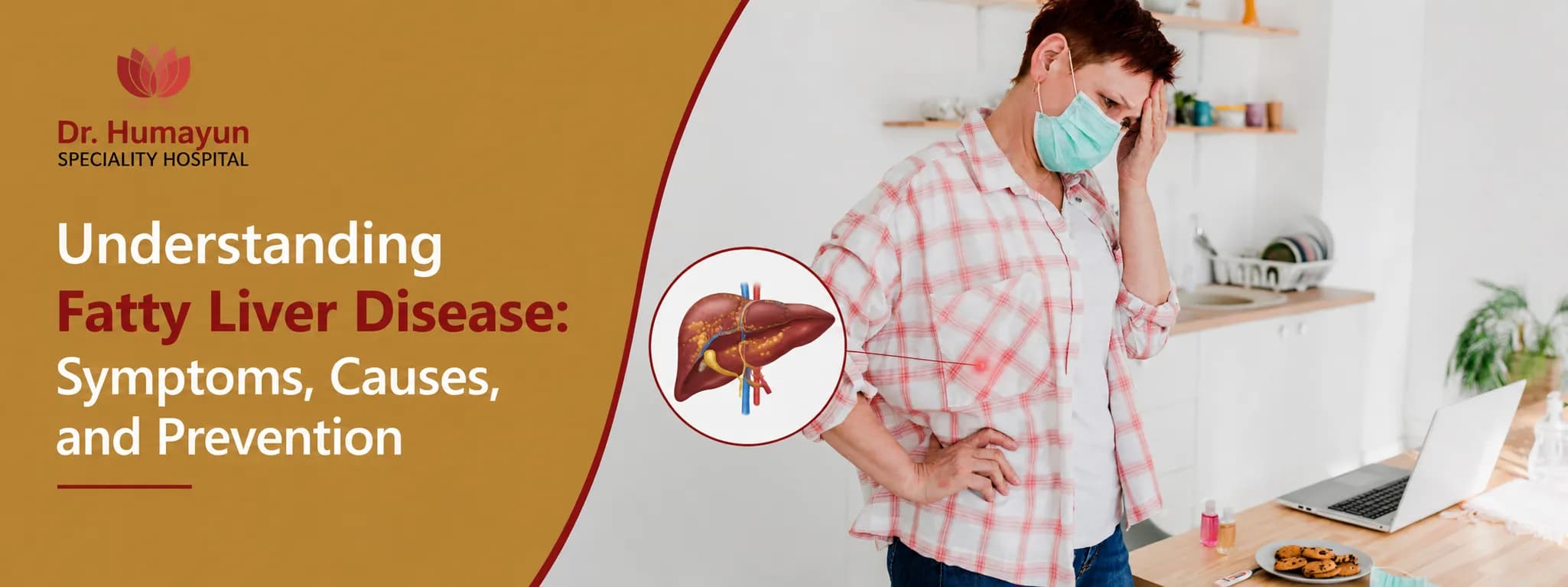

The liver is one of the most resilient and hard-working organs in the human body, acting as a primary chemical laboratory. It processes nutrients, filters toxins from the bloodstream, and regulates cholesterol and glucose levels every second of the day. However, lifestyle shifts, dietary changes, and rising metabolic disorders have placed an unprecedented burden on this vital organ, leading to a sharp rise in a condition known as Fatty Liver Disease.
Medically referred to as hepatic steatosis, fatty liver disease occurs when excess fat molecules build up inside liver cells. Because the liver lacks pain receptors on its inner tissue, this fat accumulation occurs silently, often over several years. Many individuals remain completely unaware of the condition until it is incidentally discovered during a routine check-up or ultrasound. Understanding how this disease develops at a cellular level, recognizing its subtle warning signs, and implementing evidence-based prevention strategies are essential steps to protect your metabolic longevity.
The Cellular Pathophysiology of Hepatic Steatosis
To understand fatty liver disease, it helps to examine how the organ processes fats. Under normal conditions, the liver absorbs small amounts of fatty acids from the bloodstream and either burns them for energy or packages them into compounds to be used by other tissues.
A fatty liver develops when this delicate balance breaks down. If the influx of fats and carbohydrates exceeds the liver's metabolic capacity, or if the liver's ability to export fat drops, the excess is stored as droplets of triglycerides inside individual liver cells (hepatocytes).
According to clinical resources from the National Institute of Diabetes and Digestive and Kidney Diseases (NIDDK), this condition is broadly classified into two distinct types:
- Metabolic Dysfunction-Associated Steatotic Liver Disease (MASLD / NAFLD): This form develops independently of significant alcohol use. It is directly driven by metabolic factors like insulin resistance, high-calorie diets, and a sedentary lifestyle.
- Alcohol-Associated Liver Disease (ALD): This type is directly caused by chronic, heavy alcohol consumption, which alters the chemical pathways the liver uses to break down fats, forcing rapid fat accumulation.
If left unchecked, simple fat accumulation can progress to inflammation and cellular damage, a stage known as steatohepatitis. Over time, chronic inflammation triggers the growth of fibrous scar tissue (fibrosis), which can ultimately restrict blood flow and lead to irreversible liver failure (cirrhosis).
The Primary Causes and Risk Factors
Fatty liver disease is rarely caused by a single factor. Instead, it is typically the result of several overlapping metabolic issues:
-
Insulin Resistance: When the body's cells stop responding effectively to the hormone insulin, the pancreas compensates by producing even more. High insulin levels cause a massive release of stored fatty acids into the bloodstream, which are then absorbed by the liver.
-
High-Fructose and Refined Carbohydrate Diets: Unlike glucose, which can be used by cells throughout the body for energy, fructose can only be processed by the liver. Consuming excessive amounts of sugary beverages, packaged foods, and refined flour overloads the liver, turning excess sugars directly into fat molecules through a process called de novo lipogenesis.
-
Visceral Adiposity: Carrying excess weight around the abdomen is a major risk factor. This intra-abdominal fat is highly active metabolically and continuously releases inflammatory chemicals and fatty acids directly into the portal vein leading to the liver.
-
Sedentary Lifestyles: Physical inactivity reduces the muscles' capacity to burn glucose and fatty acids for fuel, forcing the liver to store these unburned energy units as fat.
Recognizing the Subtle Symptoms
In its early and moderate stages, fatty liver disease is notoriously quiet. However, as the fat accumulation increases and starts to strain the organ's protective outer capsule, a few subtle, non-specific symptoms may emerge:
-
Persistent Right Upper Quadrant Discomfort: Some individuals report a dull, heavy, or aching sensation in the upper right side of the abdomen, directly beneath the rib cage. This is usually caused by the physical swelling of the liver as it expands with accumulated fat.
-
Unexplained Exhaustion and Chronic Fatigue: Because a compromised liver cannot store and release glycogen efficiently, the body struggles to maintain stable energy levels, leading to profound daytime fatigue.
-
Metabolic Warning Signs: Sudden weight gain around the waistline, dark patches of skin around the neck or armpits (acanthosis nigricans), and fluctuating blood sugar levels are physical indicators of underlying insulin resistance affecting the liver.


Evidence-Based Prevention and Reversal Strategies
The most promising medical aspect of early-stage fatty liver disease is that the liver has an extraordinary capacity to regenerate and heal. Because early fat accumulation is primarily a metabolic issue, it can be managed and reversed through targeted, daily habits:
Adopt a Low-Glycemic, Nutrient-Dense Diet
Focus on shifting away from ultra-processed carbohydrates and high-fructose corn syrup. Build your meals around complex carbohydrates, lean proteins, and healthy fats:
-
Incorporate Cruciferous Vegetables: Broccoli, Brussels sprouts, and cabbage contain sulfur compounds like sulforaphane, which support the liver's natural detoxification pathways.
-
Prioritize Healthy Fats: Replace refined cooking oils with sources of monounsaturated fats like olive oil, nuts, and seeds, which help improve lipid profiles.
Engage in Consistent, Combined Exercise
Physical activity clears fat from the liver independently of weight loss. Aim for a combination of moderate aerobic exercise (like brisk walking or swimming) and resistance training at least four to five days a week. Resistance training builds lean muscle mass, which acts as a sink for excess glucose, lowering insulin levels and reducing the fat load on the liver.
Implement Structured Hydration
Drinking adequate water supports overall metabolic function and helps the kidneys filter waste, easing the workload on the liver. Avoid commercial fruit juices, energy drinks, and flavored waters, as their high sugar content feeds the fat accumulation process.
How Clinical Diagnostics Evaluate Liver Health
Because fatty liver disease progresses silently, objective diagnostic testing is the only definitive way to confirm its presence and track its severity:
-
Liver Function Tests (LFTs): Specialized blood tests that measure the levels of specific enzymes, such as Alanine Aminotransferase (ALT) and Aspartate Aminotransferase (AST). Elevated levels indicate that liver cells are actively experiencing stress or damage.
-
Abdominal Ultrasound: A non-invasive imaging tool that allows clinicians to visually check the echogenicity (brightness) of the liver tissue, which increases when fat is present.
-
Advanced Biomarker Screening: Evaluating baseline lipid panels, fasting insulin, and HbA1c provides a complete picture of the metabolic drivers behind the liver changes.
Conclusion: Prioritizing Early Hepatic Care
Fatty liver disease serves as an early physiological warning sign from the body, indicating that the metabolic system is overwhelmed. It is not a permanent diagnosis, but rather an opportunity to intervene. By making informed nutritional choices, staying consistently active, and monitoring your health through routine screening, you can effectively reverse fat accumulation and preserve your liver health for decades to come.
Taking a proactive approach to your metabolic health ensures you stay ahead of progressive structural changes, protecting your long-term vitality and peace of mind.
If you have underlying risk factors like elevated blood sugar, high blood pressure, abdominal weight gain, or have experienced persistent fatigue, evaluating your liver function is a vital step forward.
At Dr. Humayun Speciality Hospital, Chennai, our consultant-led team provides precise diagnostic screenings, specialized blood panels, and personalized metabolic care within a comfortable, boutique healthcare environment. Take a proactive step toward your wellness and ensure your vital organs are functioning optimally.
Chat with our care assistant for quick guidance and support.