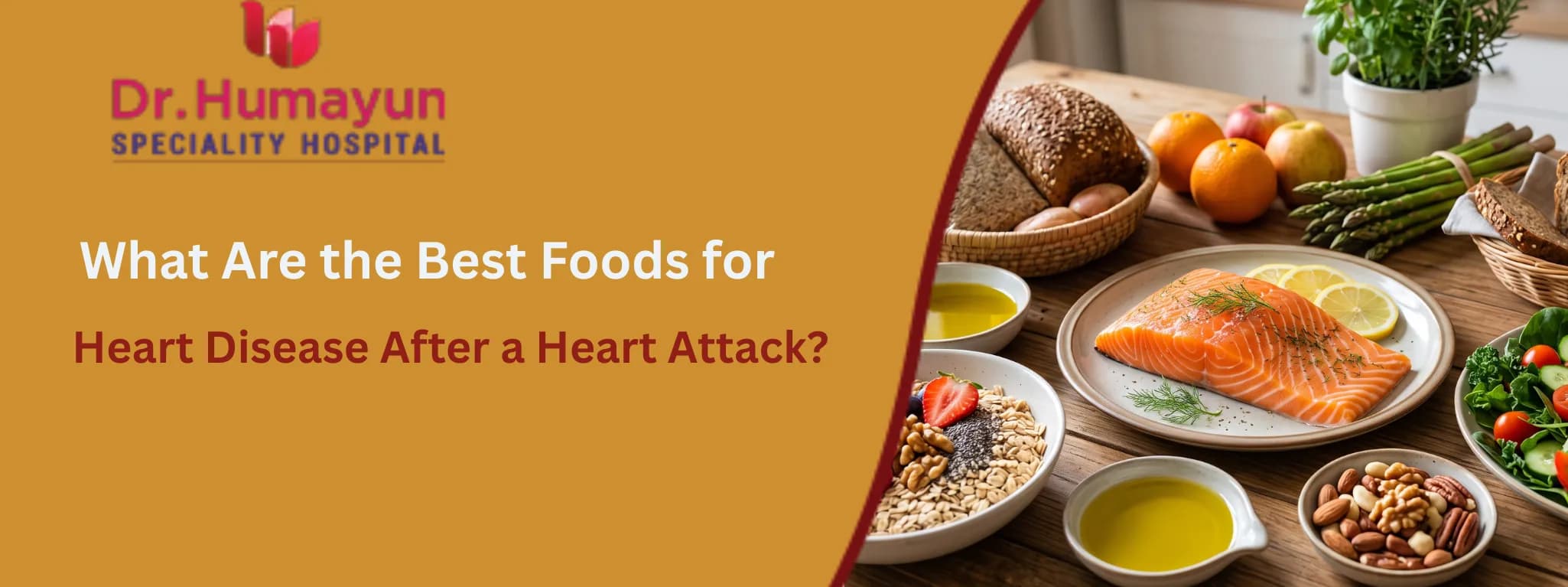

A heart attack changes your relationship with food. Sometimes overnight.
For many patients recovering in Chennai, the days after a cardiac event bring an urgent awareness that what they eat, and what they have been eating for years, matters more than they previously acknowledged. The question "what can I eat now?" becomes one of the most important questions in early recovery.
The answer is both reassuring and specific. A heart-healthy diet is not about deprivation. It is about understanding which foods actively support the healing and protection of the cardiovascular system, which foods actively harm it, and how to apply this practically to the realities of cooking and eating in Chennai.
Why Diet Matters So Much After a Heart Attack
Most heart attacks are caused by coronary artery disease, the gradual narrowing of the coronary arteries by atherosclerotic plaque. The same risk factors that contributed to that plaque, elevated LDL cholesterol, high blood pressure, chronic inflammation, insulin resistance, and excess visceral fat, continue to operate after the heart attack unless they are actively addressed.
Diet directly influences every one of these risk factors:
-
Saturated and trans fats raise LDL cholesterol and promote plaque formation
-
Excess sodium elevates blood pressure
-
Refined carbohydrates and added sugars drive insulin resistance and triglyceride accumulation
-
Processed foods promote systemic inflammation
-
Conversely, fibre, antioxidants, omega-3 fatty acids, and potassium each work to reverse these processes
The potential is significant. A plant-based, low-fat, heart-healthy diet may lower the risk of cardiovascular episodes by 27%, according to a 2024 Harvard Health investigation. This is a meaningful reduction achievable through food choices alone, alongside medical management.
The Two Best Dietary Frameworks After a Heart Attack
Before discussing individual foods, understanding the two most evidence-supported overall dietary frameworks gives patients a practical template to work from.
The Mediterranean Diet emphasises:
-
Abundant vegetables, fruits, legumes, and whole grains
-
Olive oil as the primary fat source
-
Moderate consumption of fish and seafood, particularly oily fish
-
Moderate poultry and dairy
-
Limited red meat and processed food
-
Minimal added sugar and refined carbohydrates
The DASH Diet (Dietary Approaches to Stopping Hypertension) focuses on:
-
Vegetables, fruits, whole grains, and low-fat dairy
-
Lean protein from poultry, fish, and legumes
-
Strict limits on sodium (no more than 2,300 mg per day, ideally below 1,500 mg)
-
Limited saturated fat, red meat, sweets, and sugary drinks
Both diets are clinically proven to reduce LDL cholesterol, lower blood pressure, reduce inflammation, and reduce the risk of recurrent cardiovascular events. Neither requires unusual or expensive foods. Both can be adapted to the South Indian cooking tradition with relatively straightforward substitutions.
The Best Foods for Heart Disease Recovery
Oily Fish
Oily fish including salmon, mackerel, sardines, and Indian mackerel (bangda) are among the most consistently recommended foods for heart disease. They are rich in omega-3 fatty acids (EPA and DHA), which reduce triglycerides, lower blood pressure, reduce platelet aggregation, and have direct anti-inflammatory effects on blood vessel walls.
Fatty fish (salmon, mackerel, sardines) are rich in omega-3 fatty acids that reduce inflammation and support vascular repair. Pomfret, surmai (seer fish), and bangda, all widely available in Chennai's fish markets, are excellent Indian sources. Aim for two to three servings of oily fish per week as part of recovery nutrition.
For vegetarians, plant sources of omega-3 including flaxseeds, chia seeds, and walnuts provide ALA, a shorter-chain omega-3 that the body partially converts to the more active EPA and DHA forms.
Leafy Green Vegetables
Leafy greens including spinach, fenugreek leaves (methi), curry leaves, drumstick leaves (moringa), and amaranth leaves are among the most nutrient-dense foods available #### In markets throughout the year. They are rich in:
-
Vitamin K, which protects arteries
-
Dietary nitrates, which improve blood pressure and endothelial function
-
Antioxidants that reduce oxidative stress on blood vessel walls
-
Folate, which helps reduce homocysteine levels (an independent cardiovascular risk factor)
-
Fibre, which supports cholesterol management
Adding a generous portion of leafy greens to at least two meals daily is one of the most practical dietary improvements any heart disease patient can make. South Indian cuisine incorporates these naturally into kootu, keerai masiyal, and sambar, making this adaptation culturally straightforward.
Whole Grains
Whole grains retain their bran and germ layers, making them significantly richer in fibre, B vitamins, and minerals than refined white grains. After a heart attack, whole grains support heart health through:
-
Soluble fibre (particularly from oats and barley) that binds bile acids in the intestine, forcing the liver to use LDL cholesterol to make new bile acids, reducing circulating LDL
-
Sustained blood glucose management, reducing the insulin spikes that drive triglyceride accumulation
-
Satiety, supporting weight management that reduces cardiac strain
Heart-healthy whole grain options readily available in Chennai:
-
Oats (as porridge, added to idli batter, or used in dishes)
-
Brown rice in place of white rice
-
Millets including ragi, jowar, and bajra, which are traditional South Indian grains with excellent nutritional profiles
-
Whole wheat bread and whole wheat chapati in place of maida-based products
Oats in particular are high in a specific type of soluble fibre called beta-glucan that has the strongest evidence base for LDL cholesterol reduction.
Legumes and Pulses
Lentils, chickpeas, rajma, moong dal, toor dal, and all varieties of Indian pulses are among the best foods for heart disease available in the Indian diet. They are rich in:
-
Soluble fibre for cholesterol reduction
-
Plant-based protein that replaces the saturated fat of animal protein when used as a primary protein source
-
Potassium for blood pressure management
-
Folate and magnesium, both of which support cardiovascular function
The South Indian dal tradition, whether sambar, rasam, or any of the regional dal preparations, is genuinely heart-protective when prepared without excessive ghee or coconut oil. Adjusting the cooking fat from coconut oil or ghee to a modest amount of cold-pressed groundnut or olive oil makes an already beneficial dish significantly more heart-friendly.


Berries and Fruits
Berries including blueberries, strawberries, and raspberries are exceptionally rich in anthocyanins and other flavonoid antioxidants that directly reduce oxidative stress on blood vessel walls, improve arterial function, and have demonstrated blood pressure-lowering effects in clinical studies.
In Chennai's local context, jamun (Indian blackberry) is one of the most nutritionally comparable locally available fruits, similarly rich in anthocyanins. Pomegranate, guava, papaya, and citrus fruits are all good heart-healthy options that are seasonally available and affordable.
Fruits provide fibre, potassium, and antioxidants. The goal is two to three servings of whole fruit daily, choosing the fruit rather than the juice, because juicing removes the fibre and concentrates the sugars.
Nuts and Seeds
Walnuts, almonds, groundnuts, flaxseeds, and sesame seeds all contribute to heart health through healthy unsaturated fats, plant protein, fibre, and micronutrients. Walnuts specifically provide ALA omega-3 fatty acids and have the strongest evidence base among nuts for cardiovascular benefit.
A small handful (approximately 30 grams) of unsalted mixed nuts per day is consistently associated with reduced cardiovascular risk in large epidemiological studies. They make a practical, portable snack that replaces the processed snack options that post-heart attack patients should eliminate.
Olive Oil and Heart-Healthy Fats
Replacing saturated fats (ghee, butter, coconut oil, vanaspati) with monounsaturated fats (olive oil, groundnut oil, sesame oil) and polyunsaturated fats (sunflower oil in moderation) reduces LDL cholesterol and supports arterial health. Extra virgin olive oil has the additional benefit of phenolic compounds with direct anti-inflammatory effects on blood vessel walls.
For Tamil Nadu cooking traditions, cold-pressed groundnut (peanut) oil is a culturally familiar and heart-compatible cooking fat that provides monounsaturated fatty acids similar in profile to olive oil.
Foods to Limit or Avoid After a Heart Attack
Understanding what not to eat is as important as knowing what to eat. The following categories directly worsen the risk factors that caused the heart attack and must be actively limited.
Saturated and trans fats:
-
Fried foods cooked in palm oil, coconut oil, or vanaspati
-
Full-fat dairy including butter and cream in large amounts
-
Red meat including mutton and beef, particularly in fatty cuts
-
Processed and cured meats including sausages, salami, and deli meats
High-sodium foods:
-
Pickles, papads, and preserved condiments
-
Packaged snack foods including chips, namkeen, and biscuits
-
Instant noodles and packaged soups
-
Restaurant food where sodium content is not controlled
Refined carbohydrates and added sugar:
-
White rice in large quantities at each meal
-
Maida-based bread, biscuits, and bakery products
-
Sugary drinks including fruit juice, soft drinks, and sugary chai
-
Sweets and mithai
Alcohol: Alcohol increases inflammation, disrupts sleep, interacts with cardiac medications, and can elevate blood pressure and triglycerides. Abstinence from alcohol is recommended after a heart attack, especially in the recovery period.
Practical Application for Chennai Patients
Applying heart-healthy eating to the South Indian diet requires adjustments rather than a complete overhaul. The South Indian diet already contains many heart-beneficial elements: legume-based dishes, abundant vegetables, rice-based staples that can be partially replaced with millets, and a tradition of fresh, home-cooked food.
Practical substitutions for Chennai patients:
| Instead of | Choose |
|---|---|
| White rice at every meal | Brown rice or millet (ragi, jowar) for one or two meals daily |
| Coconut oil or ghee for cooking | Cold-pressed groundnut or olive oil in small amounts |
| Full-fat coconut milk | Light coconut milk or skip in some dishes |
| Fried snacks | Unsalted nuts, roasted seeds, or fresh fruit |
| Sugary chai three times daily | One cup of chai with less sugar, herbal tea, or black coffee in moderation |
| Salty pickles and papads | Fresh cucumber, tomato, or raw salad sides |
The goal is not perfection at every meal but a consistent, sustainable shift in the overall pattern of eating.
Diet Is a Complement to Medical Treatment, Not a Substitute
This is the most important clinical message in this guide. A heart-healthy diet after a heart attack is one of the most powerful tools available to reduce future risk. But it works alongside, not instead of, the medications prescribed after a heart attack.
Guideline-directed medical therapy after a heart attack, including dual antiplatelet therapy, high-intensity statin therapy, beta-blockers, and ACE inhibitors or ARBs, significantly reduces the risk of recurrent events. Stopping or reducing these medications because dietary changes are being made is one of the most dangerous errors post-heart attack patients can make.
Diet and medications work through different but complementary pathways. Statins lower LDL cholesterol more powerfully than diet alone. Diet adds anti-inflammatory, blood pressure, and metabolic benefits that medications do not fully replicate. Together, the combination is more protective than either approach alone.
Cardiac Dietary Guidance at Humayun Hospital, T Nagar
At Humayun Hospital, T Nagar, Chennai, our cardiology and internal medicine team integrates personalised dietary counselling into post-heart attack care alongside medical management.
We provide:
-
Dietary assessment identifying specific habits and risk factors relevant to each patient
-
Practical guidance on adapting the South Indian diet to heart-healthy principles without eliminating culturally important foods
-
Sodium reduction strategies for patients with hypertension post-heart attack
-
Lipid management guidance combining dietary fat reduction with statin therapy
-
Weight management advice for patients where excess weight is a contributing cardiac risk factor
-
Coordination with cardiac rehabilitation for patients in structured post-heart attack recovery programmes
Recovery from a heart attack is a long-term commitment. The kitchen is one of the most powerful places that commitment can be expressed, one meal at a time.
Chat with our medica care assistant for quick guidance and support.