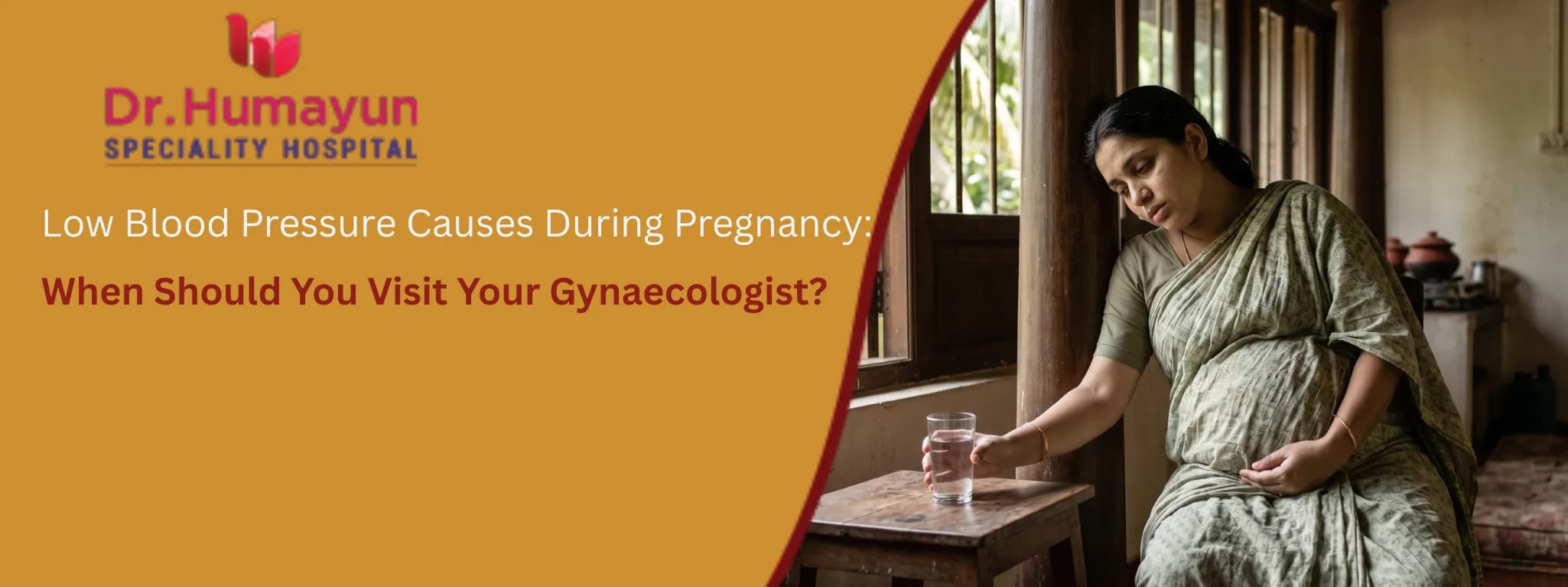

Pregnancy reshapes almost every system in the body, and the cardiovascular system is no exception. Blood volume increases. Blood vessels widen. The heart works harder. These changes are extraordinary adaptations to support a growing baby, but they also mean that blood pressure behaves differently during pregnancy than at any other time in a woman's life.
For many women, this includes a period of lower-than-usual blood pressure, particularly in the first and second trimesters. The dizziness when standing up quickly. The lightheadedness in a warm shower. The sudden need to sit down after walking too fast. These experiences are common, frequently harmless, and part of the normal physiology of pregnancy.
But low blood pressure during pregnancy is not always benign. Knowing the difference between what is normal and what requires a gynaecologist's attention is one of the most important pieces of information a pregnant woman can have.
What Is Considered Low Blood Pressure During Pregnancy?
Normal blood pressure is approximately 120/80 mmHg. Low blood pressure, or hypotension, is generally defined as a reading consistently below 90/60 mmHg. During pregnancy, a physiological drop is expected:
-
Systolic pressure typically drops by 5 to 10 mmHg in normal pregnancy
-
Diastolic pressure can drop by up to 15 mmHg
-
Blood pressure reaches its lowest point at approximately 24 weeks of gestation
-
It then gradually rises back toward pre-pregnancy levels by the third trimester
This means a reading of 95/60 mmHg in the second trimester, in a woman who feels reasonably well, is often entirely within the expected range.
The concern is not a single low reading. It is persistent low readings accompanied by symptoms, a sudden dramatic drop, or low blood pressure occurring alongside warning signs that suggest a more serious underlying cause.
Low Blood Pressure Causes During Pregnancy What Is Driving It?
Understanding why blood pressure drops during pregnancy helps women recognise which situations are physiological and which may need assessment.
Hormonal Changes (Progesterone)
This is the primary physiological driver of low blood pressure in the first and second trimesters. Progesterone, which rises dramatically from the earliest weeks of pregnancy, causes smooth muscle relaxation throughout the body. In blood vessels, this means vasodilation: the vessels widen and their resistance to blood flow decreases. Lower vascular resistance means lower blood pressure.
This is a designed adaptation. Wider vessels allow increased blood flow to the uterus and placenta. But as a side effect, blood pools more readily in the lower body, less returns to the heart, and blood pressure falls.
Increased Blood Volume Demand
By the second trimester, the body's blood volume has expanded by 40 to 50% to meet the demands of the growing placenta and fetus. During this expansion phase, the cardiovascular system is working to fill a significantly larger vascular network, and blood pressure can drop as the body catches up with its own expanded capacity.
Positional Hypotension (Orthostatic and Supine)
Two specific positional causes of low blood pressure are common in pregnancy:
Orthostatic hypotension: A sudden drop in blood pressure when standing up quickly from a sitting or lying position. Gravity causes blood to pool in the legs momentarily, and the cardiovascular system's response is slightly delayed during pregnancy. The result is dizziness or lightheadedness on standing that resolves within a few seconds to a minute.
Supine hypotensive syndrome: From the second trimester onward, lying flat on the back allows the growing uterus to compress the inferior vena cava, the large vein returning blood from the lower body to the heart. This reduces venous return, reduces cardiac output, and causes a sudden drop in blood pressure. Women who feel nauseated, lightheaded, or breathless when lying flat are likely experiencing this. The remedy is simple: turn onto the left side.
Dehydration
Dehydration is one of the most common and most correctable low blood pressure causes during pregnancy. Lower blood volume from inadequate fluid intake reduces circulating blood volume further on top of the physiological changes already underway.
In Chennai's climate, particularly during summer months, pregnant women are at elevated risk of dehydration-driven hypotension. The combination of increased fluid requirements of pregnancy, heat, and activity can lower blood pressure significantly if hydration is not actively maintained.
Signs that dehydration may be contributing:
-
Dark yellow urine rather than pale yellow
-
Dry mouth and feeling of thirst that is not being regularly addressed
-
Infrequent urination
-
Headache alongside dizziness
Anaemia
Iron deficiency anaemia is extremely prevalent in pregnant women in India, where dietary iron intake is often insufficient relative to the dramatically increased iron demands of pregnancy. Anaemia reduces the oxygen-carrying capacity of the blood and can independently cause symptoms that overlap with hypotension: fatigue, dizziness, palpitations, and breathlessness.
In a pregnant woman with symptoms of low blood pressure, a full blood count should always be performed to assess whether anaemia is a contributing factor.
Pre-Existing Conditions and Medications
Some women enter pregnancy with conditions that already predispose them to lower blood pressure:
- Pre-existing hypotension
- Adrenal insufficiency
- Thyroid disorders (particularly hypothyroidism)
- Certain cardiac conditions
Medications that lower blood pressure, including some antihypertensives and antidepressants, can produce excessive drops during pregnancy. It is essential that any pregnant woman taking regular medications informs her gynaecologist so that the medication's continued appropriateness during pregnancy is reviewed.
Ectopic Pregnancy A Cause That Cannot Be Missed
This is the low blood pressure cause during pregnancy that constitutes a life-threatening emergency and must always be in the clinical mind when low blood pressure occurs in very early pregnancy.
An ectopic pregnancy where the fertilised egg implants outside the uterus, most commonly in a fallopian tube can cause internal bleeding as the pregnancy grows. This bleeding dramatically drops blood pressure and produces symptoms of shock.
Extremely low blood pressure in early pregnancy accompanied by sharp one-sided abdominal or pelvic pain, shoulder tip pain, and feeling faint is a potential ectopic pregnancy until proven otherwise. This is a surgical emergency requiring immediate hospital attendance.


Symptoms of Low Blood Pressure During Pregnancy
Most symptoms of pregnancy hypotension are recognisable and manageable. Being able to distinguish them from warning signs that require urgent care is the central message of this guide. Common, usually manageable symptoms:
-
Dizziness or lightheadedness, especially on standing or after prolonged standing
-
Mild nausea
-
Fatigue and feeling generally low in energy
-
Momentary blurring of vision that clears rapidly
-
Cold, clammy hands or feet
-
Feeling faint but catching yourself before actually fainting
These symptoms, when mild and occurring in isolation without accompanying warning signs, can typically be managed with the home strategies described below while monitoring for any change.
When to Visit Your Gynaecologist Warning Signs That Cannot Wait
This section is the core of the blog's purpose: guiding pregnant women on exactly when professional medical care is needed.
Seek Same-Day or Urgent Assessment For:
Actual fainting (loss of consciousness) A faint itself can cause injury from the fall, and a fall during pregnancy risks abdominal trauma. Any fainting episode during pregnancy requires same-day assessment, even if the woman feels completely recovered afterward.
Repeated near-fainting episodes Occasional lightheadedness on standing is common. Multiple episodes of feeling on the verge of losing consciousness in a single day, or repeated over several days, is beyond the expected physiological range and warrants assessment.
Vaginal bleeding alongside low blood pressure symptoms The combination of vaginal bleeding with dizziness, abdominal pain, or feeling faint can indicate miscarriage, placental abruption, or ectopic pregnancy. Do not wait. Seek care immediately.
Sharp abdominal or pelvic pain, especially on one side, in early pregnancy With or without a confirmed positive pregnancy test, this combination demands emergency assessment to exclude ectopic pregnancy.
Chest pain or difficulty breathing Low blood pressure with chest pain or significant breathlessness may indicate a cardiac cause, pulmonary embolism, or severe anaemia. These require urgent medical assessment.
Confusion, extreme weakness, or difficulty speaking A sudden dramatic drop in blood pressure can reduce blood flow to the brain and cause neurological symptoms. This is an emergency.
Blood pressure consistently below 80/50 mmHg A reading this low, particularly when accompanied by any symptoms, is below the physiological range expected even in pregnancy and requires clinical evaluation.
Shoulder tip pain with dizziness and a positive pregnancy test A specific sign of internal bleeding from a ruptured ectopic pregnancy. Go to emergency care immediately.
Home Management for Mild Pregnancy Hypotension
For women whose low blood pressure is in the physiological range and whose symptoms are mild, the following measures help reduce symptoms without medication.
Hydration:
-
Aim for at least 2 to 2.5 litres of fluid daily
-
Increase this in Chennai's heat, particularly in summer
-
ORS drinks or coconut water help with electrolyte balance alongside plain water
Eating habits:
-
Small, frequent meals rather than three large ones
-
Large meals direct blood flow to the gut after eating, which can drop pressure further
-
Include adequate iron-rich foods — lentils, leafy greens, legumes, fortified cereals
Positional awareness:
-
Always stand up slowly — pause on the edge of the bed or chair before rising
-
Sleep on the left side from the second trimester onward, not flat on the back
-
Avoid prolonged standing in one position
Clothing and temperature:
-
Compression stockings reduce blood pooling in the legs
-
Avoid hot showers or baths, which cause peripheral vasodilation and worsen hypotension
-
Avoid standing in warm, crowded, or poorly ventilated spaces for extended periods
When you feel dizzy:
- Sit or lie down immediately on your left side
- Do not attempt to hold yourself upright if you feel faint — a controlled sit is safer than a fall
Your Gynaecologist Is Your Best Resource — Meet Dr. Asma Humayun
Managing blood pressure changes in pregnancy is not something a woman should navigate alone or by searching online for reassurance.
At Humayun Hospital, T Nagar, Chennai, Dr. Asma Humayun provides specialised obstetric and gynaecological care for women at every stage of pregnancy. With over 15 years of clinical experience, an MRCOG qualification from the UK, a Diploma in Reproductive Medicine from Germany, and dedicated fellowship training in Assisted Reproductive Techniques and Minimal Access Surgery, Dr. Asma Humayun brings both the clinical depth and the practical experience that pregnancy care demands.
Her approach to concerns like low blood pressure during pregnancy is thorough: clinical assessment, blood pressure monitoring, blood count evaluation, and a clear explanation of what is physiological and what needs attention.
Chat with our medical care assistant for quick guidance and support.