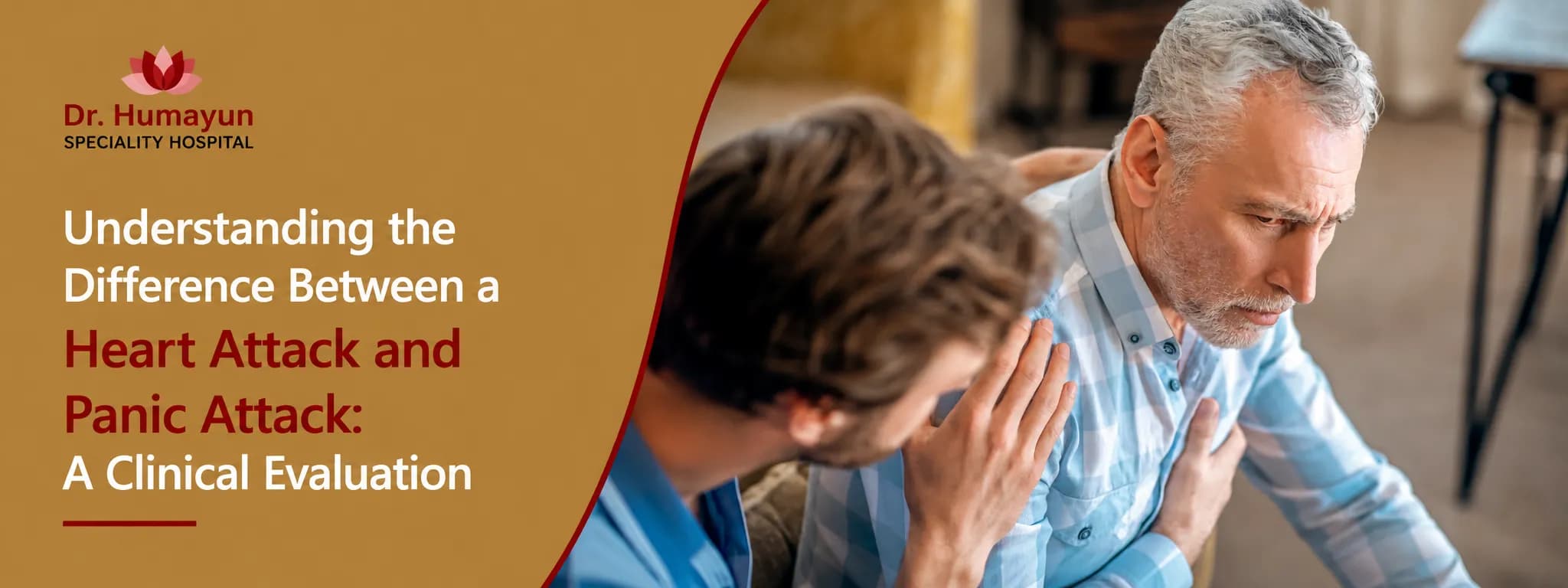

Few medical experiences are as terrifying as a sudden, unexpected wave of chest pain accompanied by a racing pulse and a choking sensation. In that exact moment, an individual's immediate thought almost always jumps to a single, terrifying conclusion: "I am having a heart attack." While this fear is entirely valid, a significant number of patients rushed to emergency wings for acute chest distress are actually experiencing a severe panic attack.
Because the physical symptoms of a cardiovascular crisis and a severe episode of acute anxiety overlap so heavily, distinguishing between the two can be incredibly difficult for the person experiencing them. However, confusing a life-threatening cardiac event with anxiety can lead to dangerous delays in seeking critical emergency care. Conversely, mistaking a panic attack for a heart attack leads to immense emotional exhaustion and unnecessary panic. Looking past the surface fear to analyze the differing biological mechanisms behind these conditions is essential. This guide breaks down the physical differences between a heart attack and a panic attack, how pain behaves in each scenario, and how modern medical diagnostics provide definitive clarity.
Heart vs. Mind: Two Very Different Ways the Body Suffers
To understand why these two distinct conditions look so similar on the outside, we must examine the completely different physiological systems that trigger them inside the body.
The Anatomy of a Heart Attack (Myocardial Infarction)
A heart attack is a structural, mechanical breakdown within the circulatory system. It occurs when a coronary artery, the plumbing network that supplies oxygen-rich blood directly to the heart muscle, becomes blocked, typically by a ruptured fatty plaque or a sudden blood clot. When blood flow is cut off, the downstream heart muscle tissue is starved of oxygen (ischemia) and begins to suffer cellular damage. This biological distress causes the heart to pump erratically and sends intense, desperate neurological pain signals up through the spinal cord. It is a true physical emergency requiring immediate intervention to open the vessel before permanent tissue death occurs.
The Anatomy of a Panic Attack
A panic attack is a temporary, intense surge of the nervous system, entirely independent of arterial blockages. It occurs when the brain's threat-detection center (the amygdala) misinterprets psychological stress or a benign physical sensation as an immediate, life-threatening danger. According to clinical parameters detailed by the National Institute of Mental Health (NIMH), this false alarm triggers an immediate, massive release of adrenaline and cortisol into the bloodstream. This sudden adrenaline flood forces your heart rate to skyrocket, constricts local blood vessels, and speeds up your breathing (hyperventilation). This rapid breathing alters blood carbon dioxide levels, causing physical chest tightness, tingling in the fingers, and severe dizziness that mimics a cardiac event perfectly.
Comparing Symptom Behavior: How to Tell the Difference
While both conditions cause intense chest discomfort, tracking how the pain begins, where it travels, and how it reacts to movement can help you distinguish between them:
| Clinical Feature | Heart Attack (Myocardial Infarction) | Panic Attack (Acute Anxiety Episode) |
|---|---|---|
| Type of Pain | Deep, crushing pressure, heavy squeezing, or a feeling like a weight is sitting on the chest. | Sharp, stabbing, or localized prickling sensations across the chest wall. |
| Pain Radiation | Pain frequently spreads out to the left shoulder, left arm, neck, jaw, or through to the upper back. | Pain typically stays confined to the chest area, though generalized muscle tension may occur. |
| Onset Trigger | Often brought on or worsened by physical exertion, walking up stairs, or sudden emotional shock. | Frequently occurs completely at rest, out of nowhere, or during a period of high psychological stress. |
| Duration Profile | Constant, unremitting discomfort that persists, grows worse, or fades and returns in waves. | Reaches peak, maximum intensity within 10 minutes, then gradually fades away over 20 to 30 minutes. |
| Effect of Breathing | Deep breathing or changing physical positions does not alter the intensity of the pain. | Hyperventilation worsens the chest tightness; focusing on slow, deep breaths can slowly ease the pain. |


Who Is at Higher Risk of an Unusual Heart Attack
It is important to note that the classical "crushing chest pain moving down the left arm" is not how every heart attack presents. Certain demographics are highly prone to experiencing completely atypical cardiac signs that can confuse the diagnosis further:
-
Women and Diabetic Patients: Women, elderly individuals, and those with diabetes frequently experience heart attacks without any classic chest pain. Instead, their cardiac distress may present purely as sudden, severe shortness of breath, unexplained profound fatigue, cold sweats, or a burning sensation in the upper abdomen that feels exactly like severe acid reflux.
-
The Panic Mimic: Because these atypical signs are vague, they are frequently misidentified as simple anxiety or indigestion, making immediate objective diagnostic evaluation via a professional medical facility absolutely critical.
Actionable Steps: Managing Acute Distress Safely
If you find yourself or a loved one caught in a moment of sudden chest distress and are unsure of the cause, implement these safety measures immediately:
-
The Rest Test: Sit down completely and eliminate all physical exertion. If the discomfort is cardiac-driven, removing the physical workload on the heart can prevent the pain from escalating rapidly.
-
Regulate the Breath Continuum: If you suspect it is a panic attack, close your eyes and focus entirely on slowing down your respiratory rate. Inhale slowly through your nose for 4 seconds, hold for 4 seconds, and exhale completely through pursed lips for 4 seconds. If the symptoms are driven by hyperventilation, this practice will slowly balance your carbon dioxide levels, easing the chest tightness within a few minutes.
-
Avoid the Waiting Game: If the chest pressure is heavy, does not improve within 5 minutes of total rest, or is accompanied by pain moving into your jaw or arm, do not wait to see if it passes. Treat it as a medical emergency immediately.
How Emergency Medicine Safely Uncovers the True Cause
When a patient presents with acute chest discomfort, clinical teams do not guess. A systematic protocol is used to definitively identify or rule out a heart attack within minutes:
-
12-Lead Electrocardiogram (ECG): This test records the real-time electrical pathways of the heart. If a coronary artery is blocked, the lack of oxygen creates distinct, identifiable shifts in the electrical waveforms (such as ST-segment elevations), giving physicians an immediate answer.
-
High-Sensitivity Troponin Biomarkers: A precise blood test that screens for cardiac troponin, a protein found exclusively inside heart muscle cells. When the heart experience structural injury or lack of oxygen, these proteins leak into the bloodstream, acting as an unmistakable chemical marker of a heart attack.
-
Echocardiography (Echo): An ultrasound of the heart used to check the physical pumping motion of the heart walls. If a specific section of the muscle is not contracting properly, it reveals exactly which blood vessel is under distress.
Conclusion: Prioritizing Safety Over Assumptions
Distinguishing between a heart attack and a panic attack in the heat of the moment is incredibly challenging because both conditions trigger a powerful survival response from the body. While understanding the differences in pain behavior and onset can provide guidance, you should never feel pressured to make a definitive diagnosis at home.
When it comes to your heart and your health, taking a proactive, cautious approach is always the safest choice.
If you or someone you care about experiences recurring episodes of unexplained chest discomfort, racing heart rates, or severe anxiety, leaving it to chance can take a heavy toll on your well-being. Getting an objective, expert evaluation is the best way to protect your health.
At Dr. Humayun Speciality Hospital, Chennai, our consultant-led cardiology team provides high-precision diagnostic screenings, comprehensive heart evaluations, and personalized preventive care within a comfortable, boutique healthcare setting. Take a definitive step toward your health and live with total confidence.
Chat with our Medical care assistant to find the right health support