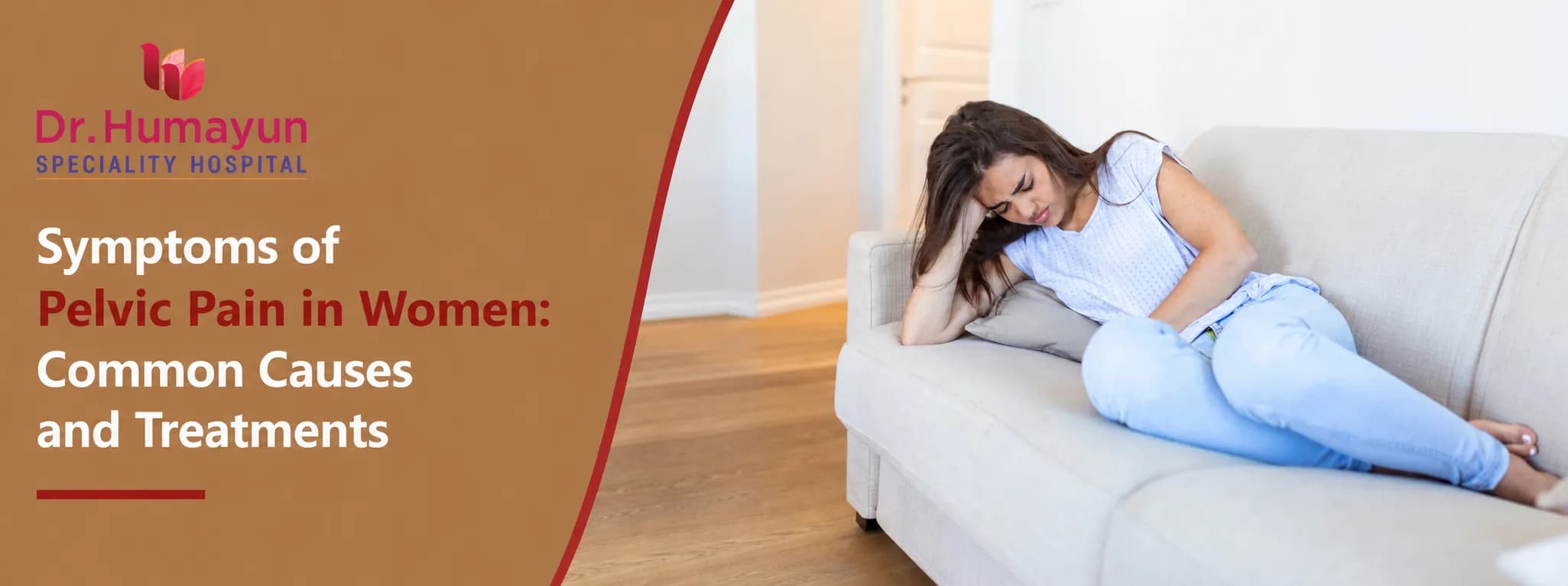

Pelvic pain is one of the most commonly dismissed symptoms in women's healthcare. If you have been told it is "just your period" or "something you have to live with," this article is for you.
Pelvic pain sits in a difficult space. It is common enough that many assume it is normal, intimate enough that cultural barriers prevent open discussion, and complex enough that a single test rarely provides a clear answer. In India, deeply embedded taboos around discussing menstrual and pelvic symptoms mean these disorders are frequently hidden, leading to delayed diagnoses and years of unnecessary suffering.
Yet, research published in American Family Physician found that chronic pelvic pain affects up to 26% of women globally, making it one of the most prevalent conditions in gynecological practice. According to the CDC, it accounts for nearly 9% of all gynecological appointments, and studies in Cureus confirm that it directly drives professional absenteeism, decreased productivity, and poor emotional well-being.
Also Read: https://pubmed.ncbi.nlm.nih.gov/34128995/
Pelvic pain is not a rite of passage. It is a clinical symptom with identifiable causes, evidence-based treatments, and a clear path toward relief. Understanding your body is the first step toward getting the right care.
What Pelvic Pain Actually Is: Defining the Territory
Pelvic pain refers to discomfort in the lower abdomen or pelvis, the area below the belly button and between the hip bones. It may be acute or chronic, meaning it lasts six months or longer, and may radiate to the lower back and the thighs.
Pelvic pain symptoms vary significantly between women. Some experience a dull aching or pressure, while others feel sharp, stabbing, or burning pain that may come and go or persist throughout the day, frequently associated with bloating.
Clinically, pelvic pain is categorised in two ways:
Acute pelvic pain develops suddenly and is intense, typically signalling an urgent condition that requires prompt medical attention. Causes range from a ruptured ovarian cyst to ectopic pregnancy to acute pelvic inflammatory disease.
Chronic pelvic pain is defined as at least six months of pain that is perceived to originate in the pelvis. It may be cyclic (linked to the menstrual cycle) or non-cyclic (present continuously or intermittently without a clear hormonal trigger). Importantly, the current clinical definition of chronic pelvic pain includes cyclic pain when it has cognitive, behavioural, sexual, or emotional effects on a woman's daily life.
A critically important and underrecognised fact: chronic pelvic pain is most often the result of multiple coexisting pain conditions, not a single diagnosis. Research published in the American Family Physician confirms that chronic pelvic pain commonly results from multiple coexisting pain conditions and central nervous system hypersensitivity. This is why a single test returning normal results does not mean nothing is wrong. It means more thorough investigation is needed.
Reading Your Pain: A Symptom-to-Cause Framework
Because pelvic pain has many possible causes, the character of the pain, its timing, and what makes it better or worse provide crucial diagnostic clues. Understanding which pattern matches your experience helps direct the investigation more accurately.
Pain Closely Tied to Your Menstrual Cycle
Pelvic pain that is clearly cyclical, intensifying in the days before and during menstruation and easing after the period ends, typically points toward one of three conditions: primary dysmenorrhoea (painful periods without an underlying structural cause), endometriosis (where endometrial-like tissue grows outside the uterus and bleeds cyclically), or adenomyosis (where the endometrial tissue grows into the muscular wall of the uterus itself).
The key distinguishing feature between normal period discomfort and pathological cyclic pain is progression over time. Normal dysmenorrhoea is generally consistent from cycle to cycle. Pain that worsens with each successive period, that requires progressively stronger pain relief, or that begins to affect daily activity is not normal dysmenorrhoea. It requires investigation.
Pain During or After Sexual Intercourse (Dyspareunia)
Pain during intercourse is called dyspareunia and is a significant and often underreported symptom in Indian women. Deep dyspareunia, pain felt deep inside the pelvis during penetration, is a classic symptom of endometriosis, adenomyosis, and pelvic inflammatory disease. It may also be associated with ovarian cysts, uterine fibroids, or pelvic floor muscle dysfunction. Superficial dyspareunia, pain at the entrance to the vagina, may indicate vulvodynia or vaginismus.
Post-coital pain, discomfort that develops or worsens in the hours after intercourse, is particularly associated with endometriosis and pelvic congestion syndrome.
Pain During Urination or Bowel Movements
Pelvic pain that worsens specifically during urination, which may be accompanied by urgency or frequency, points toward bladder involvement. Interstitial cystitis (bladder pain syndrome) is a chronic bladder condition characterised by pelvic pain and pressure associated with bladder filling and relief with voiding, in the absence of infection.
Pain with bowel movements, particularly during menstruation, is a hallmark symptom of bowel endometriosis, where endometrial lesions involve the bowel or rectovaginal space. It may also indicate irritable bowel syndrome (IBS), which coexists with pelvic pain conditions in a significant proportion of patients.
Constant, Non-Cyclic Pelvic Ache
A persistent dull ache or heaviness in the pelvis that does not clearly track with the menstrual cycle may indicate uterine fibroids (particularly large or submucous fibroids causing pressure and bulk symptoms), pelvic congestion syndrome (where dilated pelvic veins cause a chronic aching pain that worsens after prolonged standing or sitting), pelvic floor dysfunction, or in some cases musculoskeletal causes involving the lower back, sacroiliac joints, or hip structures.
Pelvic congestion syndrome is a frequently overlooked cause of chronic pelvic pain, presenting as a dull, aching pain that worsens with prolonged standing, late in the day, and after intercourse, and eases when lying down.
Sudden, Severe Pelvic Pain Requiring Urgent Attention
Any sudden onset of severe pelvic pain, particularly if accompanied by nausea, vomiting, fever, shoulder tip pain, or fainting, is a medical emergency requiring same-day evaluation. The most urgent causes include:
-
Ectopic pregnancy: a fertilised egg implanting outside the uterus, most commonly in a fallopian tube. As it grows, it can rupture the tube, causing severe internal bleeding. A study on acute pelvic pain presentations in Indian hospitals found that ruptured tubal ectopic pregnancy was one of the most common causes of acute pelvic pain requiring surgical management.
-
Ovarian torsion: the ovary twisting on its blood supply, causing sudden severe pain and a risk of permanent ovarian loss if not surgically corrected within hours.
-
Ruptured ovarian cyst: most cysts resolve without intervention, but rupture causes sudden, intense pain and, if there is significant bleeding, haemodynamic instability.
-
Acute pelvic inflammatory disease: severe ascending infection of the uterus, tubes, and ovaries causing fever, rebound pelvic tenderness, and purulent discharge, requiring urgent antibiotic treatment to prevent permanent tubal damage and infertility.
The 8 Most Common Causes of Pelvic Pain in Women
Pelvic discomfort is a complex clinical symptom that can stem from reproductive organs, the urinary bladder, or underlying musculoskeletal structures. Identifying the exact biological trigger is essential to move away from vague symptom management and toward a targeted, effective treatment plan that restores your quality of life.
Endometriosis
Endometrial-like tissue growing outside the uterus responds to the hormonal cycle each month, causing internal bleeding, adhesions, and progressive scarring. It is one of the leading causes of chronic pelvic pain and infertility in women of reproductive age. Characterised by cyclical pain, deep dyspareunia, and painful bowel movements during menstruation, it is definitively diagnosed by laparoscopy.
Adenomyosis
The endometrial glands and stroma grow into the myometrium (muscle wall) of the uterus, causing the uterus to enlarge and become tender. Women with adenomyosis typically experience heavy, prolonged, painful periods and a chronic deep pelvic ache, particularly in the days before menstruation. Diagnosis is confirmed by MRI or transvaginal ultrasound performed by an experienced sonographer.
Uterine Fibroids
Benign smooth muscle tumours of the uterus, fibroids are extremely common in Indian women and are a leading cause of both pelvic pain and heavy menstrual bleeding. Large fibroids or those in specific locations (submucous fibroids within the uterine cavity) cause pressure, pelvic heaviness, urinary frequency, and painful periods. They are identified on pelvic ultrasound.
Ovarian Cysts
Most ovarian cysts are functional and resolve without treatment. However, large cysts, dermoid cysts, endometriomas (chocolate cysts related to endometriosis), and complex cysts can cause persistent pelvic pain, a sensation of fullness or pressure, and pain with intercourse. Rupture or torsion of a cyst constitutes a surgical emergency. Cysts are assessed by pelvic ultrasound.
Pelvic Inflammatory Disease (PID)
An ascending infection of the female reproductive tract, most commonly caused by sexually transmitted organisms including Chlamydia trachomatis and Neisseria gonorrhoeae, or by polymicrobial organisms following gynaecological procedures. PID causes lower abdominal pain, fever, abnormal vaginal discharge, and pain with pelvic examination. If untreated or inadequately treated, it leads to pelvic adhesions, chronic pelvic pain, and tubal infertility. Early antibiotic treatment is essential.
Interstitial Cystitis (Bladder Pain Syndrome)
A chronic bladder condition causing pelvic pain, pressure, and discomfort associated with bladder filling that is relieved by urination, in the absence of infection. Women with interstitial cystitis also experience urinary urgency and frequency. Importantly, interstitial cystitis coexists with endometriosis in up to 60% of patients, which is why bladder symptoms in women with known pelvic pain conditions should always be evaluated rather than attributed solely to the gynaecological diagnosis.
Pelvic Floor Dysfunction
The muscles, ligaments, and connective tissue of the pelvic floor form the structural foundation of the pelvis and support the uterus, bladder, and bowel. Pelvic floor dysfunction occurs when these muscles are either too tight (hypertonic) or too weak. Hypertonic pelvic floor dysfunction is a frequently underdiagnosed cause of chronic pelvic pain, dyspareunia, painful urination, and painful bowel movements. It responds well to targeted pelvic floor physiotherapy when correctly identified.
Pelvic Congestion Syndrome
Dilated, incompetent pelvic veins cause a chronic dull ache in the pelvis that is characteristically worse after prolonged standing or sitting, in the premenstrual period, and after sexual intercourse, and is relieved by lying down. It is more common in women who have had multiple pregnancies. Diagnosis is made by pelvic ultrasound Doppler or venography, and treatment options include hormonal management, ovarian vein embolisation, and in selected cases, surgical intervention.
How Pelvic Pain Is Diagnosed Accurately
Because chronic pelvic pain is most often multifactorial, accurate diagnosis requires a structured, stepwise approach rather than a single investigation.
-
Comprehensive clinical history: the most diagnostically valuable tool available. Your gynaecologist will systematically assess the character of the pain (aching, sharp, cramping, burning), its location, radiation pattern, timing (cyclic vs non-cyclic), what worsens and relieves it, its relationship to menstruation, intercourse, urination, and bowel movements, and its impact on daily activities. This history guides every subsequent investigation.
-
Pelvic examination: a thorough bimanual and spectrographic examination assessing uterine size, mobility, and tenderness, adnexal masses, cervical motion tenderness, and the presence of nodularity along the uterosacral ligaments (associated with endometriosis). The examination provides clinical information that imaging alone cannot replicate.
-
Transvaginal ultrasound (TVUS): the primary imaging investigation for pelvic pain, providing detailed assessment of the uterus, endometrial lining, ovaries, and adnexa. An experienced sonographer can identify fibroids, ovarian cysts, endometriomas, and adenomyosis features on TVUS.
-
Pelvic MRI: provides superior soft tissue detail for characterising adenomyosis, mapping deep infiltrating endometriosis, and evaluating complex adnexal masses. It is particularly valuable in surgical planning.
-
Laboratory investigations: including full blood count, inflammatory markers (CRP, ESR), hormonal profile, thyroid function, and in appropriate clinical contexts, CA-125 and other tumour markers. Cervical swabs for sexually transmitted infection screening are performed when PID is suspected.
-
Urine analysis and culture: to exclude urinary tract infection and assess for features of interstitial cystitis.
-
Diagnostic laparoscopy: the gold standard for diagnosing endometriosis, pelvic adhesions, and other intraperitoneal causes of pelvic pain that are not detectable on imaging. When indicated, therapeutic intervention (excision of endometrial lesions, adhesiolysis, cystectomy) is performed at the same time.


Treatment for Pelvic Pain in Women: A Personalised, Layered Approach
As research from the American Family Physician 2025 confirms, evaluation requires a biopsychosocial approach, beginning with a complete history and physical examination to ensure an accurate and timely diagnosis. No single treatment suits every woman, and effective management is built around the specific diagnosis, the severity of symptoms, and the woman's fertility goals and personal preferences.
Conservative Management
-
NSAIDs and analgesics: for cyclic pain and dysmenorrhoea, anti-inflammatory medications taken around the time of menstruation reduce prostaglandin-driven cramping and inflammation. They are appropriate as a first step for mild to moderate cyclic pain.
-
Pelvic floor physiotherapy: a highly effective and underutilised treatment for pelvic floor dysfunction, including hypertonic pelvic floor conditions causing dyspareunia and chronic pelvic ache. A skilled women's health physiotherapist provides internal and external manual therapy, biofeedback, and a personalised exercise programme.
-
Heat therapy and lifestyle modification: while not a definitive treatment, consistent use of heat therapy, dietary modifications that reduce bloating and bowel sensitivity, and stress management approaches all contribute meaningfully to pain reduction in the context of a comprehensive plan.
Hormonal Therapy
For conditions driven by the hormonal cycle, including endometriosis, adenomyosis, and primary dysmenorrhoea, hormonal therapy reduces or suppresses menstruation, decreasing inflammation and lesion activity. Options include combined oral contraceptive pills, progesterone-only medications (including dienogest, which has specific evidence in endometriosis), the levonorgestrel-releasing IUS (hormonal coil), and GnRH agonists or antagonists for more severe presentations.
Hormonal therapy manages symptoms effectively but does not remove existing structural lesions. It is used as first-line management for many women, as a bridge to surgery, or as post-operative maintenance to reduce recurrence rates.
Targeted Medical Treatment
For specific diagnoses, targeted medications address the underlying mechanism. Interstitial cystitis is treated with pentosan polysulfate sodium, which restores the protective glycosaminoglycan layer in the bladder. Pelvic inflammatory disease requires a structured antibiotic regimen covering the causative organisms and their polymicrobial context. Pelvic congestion syndrome may be managed hormonally to suppress ovarian function or through minimally invasive embolisation of the incompetent ovarian veins.
Surgical Treatment
Surgery is indicated when conservative and medical management fails to provide adequate relief, when structural pathology requires removal, or when fertility is being affected by the underlying condition.
-
Laparoscopic excision of endometriosis: the preferred surgical approach for endometriosis, removing lesions completely and releasing adhesions. Excision (cutting out the entire lesion including its root) is associated with better pain relief and lower recurrence rates compared to ablation alone.
-
Myomectomy: surgical removal of uterine fibroids while preserving the uterus, appropriate for women who wish to conceive or who prefer uterine conservation.
-
Laparoscopic cystectomy: removal of ovarian cysts including endometriomas, with careful preservation of healthy ovarian tissue.
-
Hysterectomy: considered for women with severe adenomyosis, large fibroids, or treatment-resistant chronic pelvic pain who have completed their families and have not responded to other interventions. When performed laparoscopically, recovery is significantly faster than open surgery.
-
Adhesiolysis: surgical release of pelvic adhesions causing pain and distorted pelvic anatomy, often performed alongside other procedures.
How Dr. Humayun Speciality Hospital Approaches Pelvic Pain in Women
At Dr. Humayun Speciality Hospital, T. Nagar, Chennai, pelvic pain is approached through the multidisciplinary, biopsychosocial framework that current international guidelines recommend as the most effective model of care. The women's health department provides:
-
Comprehensive gynaecological consultation with a structured pain history, thorough pelvic examination, and a personalised investigation plan tailored to the character and pattern of your symptoms.
-
Advanced pelvic ultrasound, including transvaginal ultrasound performed by experienced sonographers, providing detailed assessment of the uterus, ovaries, and adnexa for fibroids, cysts, endometriomas, and adenomyosis features.
-
In-house MRI and pelvic imaging, available for complex cases requiring detailed anatomical mapping before surgical planning.
-
Hormonal management clinics for women with endometriosis, adenomyosis, and cyclical pelvic pain, including access to the full range of hormonal options from combined oral contraceptives to GnRH antagonists.
-
Minimally invasive laparoscopic surgery, including diagnostic and therapeutic laparoscopy for endometriosis, laparoscopic myomectomy for fibroids, and laparoscopic cystectomy for ovarian cysts. The focus on minimally invasive technique means faster recovery, less post-operative pain, and shorter hospital stay.
-
Pelvic floor assessment and referral for physiotherapy, recognising that pelvic floor dysfunction is both a common standalone cause of pelvic pain and a frequent coexisting condition that amplifies pain from other gynaecological diagnoses.
-
Fertility consultation integration: for women whose pelvic pain is associated with infertility, the gynaecology team works in direct coordination with the fertility specialists within the same hospital, ensuring that surgical and medical management decisions account for fertility goals from the outset.
-
Psychological support coordination: recognising the significant psychosocial burden of chronic pelvic pain, the team coordinates with the hospital's mental health department when CBT or counselling support would benefit the patient's overall care.
The approach here is not to dismiss what you are experiencing, treat only the most obvious finding, or hand you a prescription and send you home. It is to understand the full picture of your pelvic health and build a care plan that is as individual as your symptoms.
Dealing with persistent pelvic pain that has not been properly investigated? Chat with our care assistant for quick guidance and support and book a comprehensive gynaecological assessment at Dr. Humayun Speciality Hospital, T. Nagar, Chennai.
Your Pain Has a Name, a Cause, and a Solution
Pelvic pain is not something to manage indefinitely with painkillers, attribute to stress, or accept as the inevitable consequence of being a woman. It is a clinical symptom with identifiable causes, effective treatments, and a specialist team that can help you find real relief.
At Dr. Humayun Speciality Hospital, every woman who comes in with pelvic pain is listened to, investigated thoroughly, and offered care that is built around her specific situation. Because the first step toward getting better is being believed.
Chat with our care assistant for quick guidance and support