
If you have recently undergone a routine spinal X-ray or an MRI due to a stubborn backache, you might have noticed a specific phrase typed out on your clinical radiology report: "Straightening of the lumbar spine" or "Loss of natural lumbar lordosis." Reading these formal medical terms can feel incredibly alarming. You might instantly worry that your spine is permanently damaged, or feel anxious that you are on the verge of a structural spinal failure.
In reality, your spine is not meant to be perfectly straight like a wooden ruler. When healthy, your lower back naturally curves gently inward toward your abdomen. This elegant, spring-like arch acts as your body's built-in shock absorber, perfectly distributing your body weight every time you walk, jump, or sit at your office desk.
When your lower spine flattens out and becomes straight, your entire mechanical balance shifts. Because this structural change forces your muscles and joints to bear a heavy, unnatural load, your body begins to drop subtle physical warning signs.
How a Flat Lower Back Puts Extra Stress on Your Spine
To understand why a straight lower back causes discomfort, it helps to look at how a loss of curvature changes the physics of your trunk. Your lumbar spine is structurally built to function like a flexible, spring-like archway.
When your spine maintains its healthy, natural curve, it absorbs vertical shock seamlessly, distributes your body weight evenly across your spinal discs, and allows your surrounding back muscles to remain completely relaxed.
However, when the lower spine flattens out and straightens, this built-in shock-absorbing mechanism fails. Instead of dispersing pressure safely, intense vertical forces slam directly down through the vertebrae, causing uneven disc wear and forcing your lower back muscles to work in a continuous, exhausted state of overtime just to keep you standing straight. This mechanical flattening is most commonly triggered by prolonged sitting in front of computer screens, poor ergonomics, or a painful muscle spasm that pulls the bones into a rigid, straight line to guard an underlying injury.
Symptoms of Lumbar Straightening You Should Monitor
A flattened lower spine behaves completely differently than a simple muscle pull. Take note if your daily routine includes any of these specific, structural warning signs:
-
Chronic, Burning Muscle Fatigue While Standing: Because a straight spine fails to support your upper body weight naturally, your lower back muscles must stay tightly contracted just to keep you upright. This results in a deep, burning ache or a heavy sensation of muscular exhaustion that peaks when you stand in one place for more than ten minutes, but eases temporarily when you sit down or bend slightly forward.
-
A Rigid, Box-Like Inability to Twist or Bend: You may notice a distinct loss of flexibility around your waistline. Trying to arch your back, lean backward, or perform a simple twist can feel like your lower spine is hitting a solid structural wall. This rigid sensation is a sign that your spinal joints are locked tightly together due to the loss of their natural angles.
-
Shooting Sciatic Pain and Leg Tingling: When your lumbar spine straightens, the physical space between your vertebrae compresses, narrowing the small exit pathways where your spinal nerves travel out to your lower body. This structural compression can pinch the sciatic nerve, sending a sharp, electric shock, a warm burning sensation, or a stubborn "pins-and-needles" numbness traveling down through your glutes, down the back of your thigh, and into your calves or feet.
-
Change in Your Natural Walking Stride: To compensate for a flat lower back, your body automatically tilts your pelvis backward and forces your knees to bend slightly while walking to absorb ground impacts. If you notice that your walking stride feels stiff, short, or that you are leaning forward slightly to stay balanced, your spine is actively struggling with a lack of curvature.


Simple Postural Safeguards to Try at Home
While a flattened spine requires an expert evaluation, practicing a few targeted, daily structural adjustments can take the direct pressure off your lower back instantly:
-
Introduce a Lumbar Support Roll: Whenever you are sitting in your office chair or driving, place a small, rolled-up towel or a dedicated lumbar cushion directly behind the small of your back. This gentle external guide physically pushes your lower spine back into its healthy, inward arch, instantly reducing muscle fatigue.
-
Focus on Deep Hip Flexor Stretches: Spending hours sitting tightens the muscles at the front of your hips (ilio-psoas). When these muscles shorten, they physically pull your pelvis out of alignment, flattening your lower back curve. Spend five minutes a day performing gentle lunge stretches to keep your hips open and pliable.
-
Avoid Soft, Sagging Sofas: Sitting on deep, soft, plush couches forces your lower spine to round completely outward, worsening the flattening effect. Make it a habit to sit on firm, supportive chairs where your hips rest slightly higher than your knees.
How Humayun Hospital Helps You Get Your Natural Curve Back
You do not have to live with the continuous stiffness or nerve anxiety of a straight lower back. Diagnosing the underlying cause and rebuilding your spine's natural spring is a highly structured, stress-free process. Choosing our comfortable, specialized 100-bed boutique hospital in T. Nagar provides your family with a clear path to recovery:
-
Comprehensive Mechanical Screening: Our senior orthopedic and spinal consultants don't just look at a static report. We evaluate your active posture, walking mechanics, and joint flexibility alongside precise digital imaging to see exactly why your curve has flattened.
-
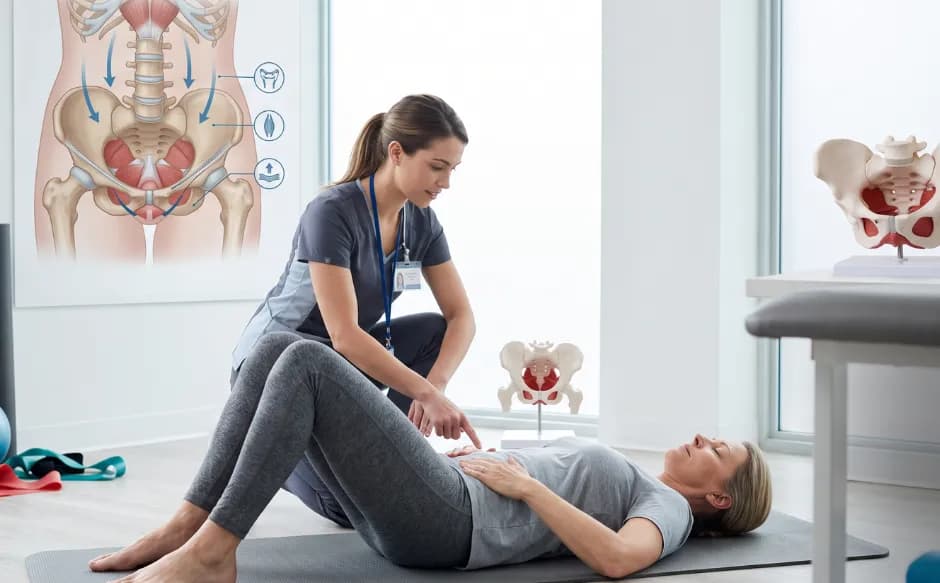
Targeted Postural Rehabilitation: We don't believe in generic bed rest or heavy pain medications. Our clinical teams and physical rehabilitation experts build customized movement blueprints focused on unlocking tight pelvic muscles and strengthening your deep core stabilizers (transversus abdominis), helping your body naturally pull the spine back into its proper arch.
-
Non-Invasive Pain Mapping: If a severe muscle spasm or nerve pinch is locking your spine in a straight line, we utilize gentle, targeted therapies, including localized ultrasound therapy and precise clinical conditioning, to calm the protective muscle guarding safely, allowing your joints to move freely and comfortably again.
Conclusion: Giving Your Spine Its Balance Back
Straightening of the lumbar spine is not a permanent deformity, but rather a structural request for help from a strained musculoskeletal system. Whether your flat back is caused by years of desk work or a sudden muscle spasm trying to protect an underlying joint, listening to your body's warnings early is the absolute key to recovery. By incorporating smart sitting supports, stretching tight hips, and partnering with specialists who understand spinal mechanics, you can easily restore your spine’s natural shock absorber, eliminate chronic fatigue, and move forward with total mobility and freedom.
Need Clear Answers About Your Spine Health?
Don't let a stubborn backache or a rigid spine slow down your professional life and daily fitness routines. If you are struggling with chronic lower back fatigue, experiencing shooting leg pain, or want a professional, jargon-free evaluation of your spinal alignment and posture, we are right here to guide you.
We are here to make your healthcare journey simple. Chat with our medical care assistant for instant support and guidance.